First-Time Colostrum Buyer: A 5-Minute Checklist
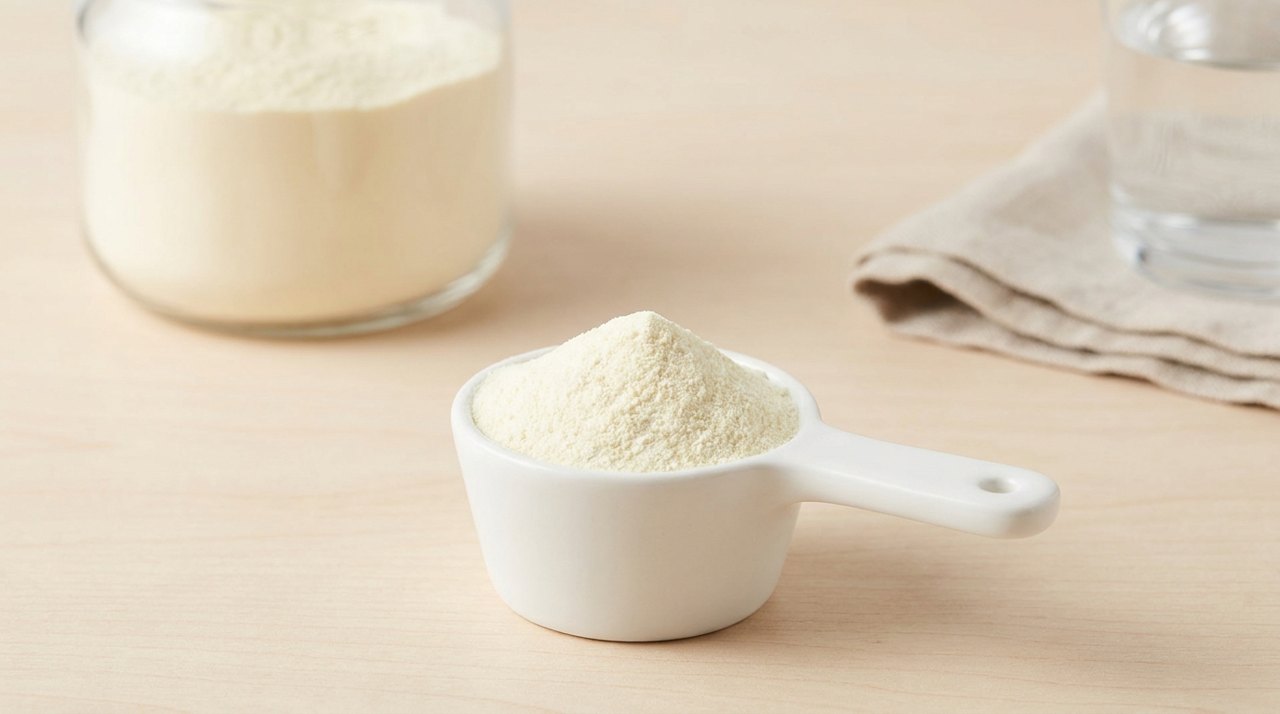
Buying colostrum for the first time can feel like homework: dozens of brands, vague label claims, and prices ranging from ten dollars to over a hundred. The good news is that a handful of quick checks separates well-made products from the rest. Run through this checklist before you click "buy" — it takes about five minutes and can save you from an expensive disappointment.
1. Confirm it's actually bovine colostrum — and how much
Start with the ingredient panel, not the front of the package. You're looking for "bovine colostrum" listed as the first (ideally only) ingredient, with a clear amount per serving in grams or milligrams. Some products blend a small amount of colostrum with cheaper fillers like whey protein, milk powder, or maltodextrin. That's not necessarily a scam, but you should know what you're paying for.
- Good sign: "Bovine colostrum, 1,000 mg per capsule" or "100% pure bovine colostrum powder."
- Caution sign: A "proprietary blend" where colostrum is one of several ingredients and no individual amounts are listed.
2. Check the IgG content — carefully
Immunoglobulin G (IgG) is the most commonly standardized component in colostrum and the number most brands advertise. A typical quality product states something like "standardized to 20–30% IgG." Two things to watch:
- Percentage vs. milligrams. "25% IgG" in a 500 mg capsule is 125 mg of IgG. A larger serving at a lower percentage can still deliver more total IgG. Do the quick math.
- Verification. Anyone can print a number on a label. Look for brands that publish third-party lab results (a Certificate of Analysis) confirming the IgG level of the actual batch.
One honest caveat: while IgG is a reasonable quality marker, research hasn't firmly established that a higher IgG percentage translates into proportionally better real-world results. Treat it as a sign of careful manufacturing rather than a guarantee of effect.
Shopping for colostrum? Our current best-value pick is BIOMIXA grass-fed colostrum powder on Amazon.
3. Look at how it was collected and processed
Colostrum is defined by when it's collected. True colostrum comes from the first milkings after calving — many quality brands specify "first milking" or "collected within 24 hours." Products collected later are closer to transitional milk and generally contain fewer of the bioactive components people buy colostrum for.
Processing matters too. High heat can degrade heat-sensitive proteins, so look for terms like low-heat pasteurization, flash pasteurization, or freeze-drying (lyophilization). "Raw" or unpasteurized products exist but carry a real food-safety risk and are best avoided.
A related ethical point worth checking: reputable producers state that calves receive the colostrum they need first, and only the surplus is collected.
4. Scan for third-party testing and sourcing claims
Supplements aren't pre-approved by regulators the way medicines are, so independent verification is your main quality backstop. In two minutes on the brand's website you can usually find out whether they offer:
| What to look for | Why it matters |
|---|---|
| Certificate of Analysis (CoA) | Confirms IgG content and screens for contaminants in the actual batch |
| Third-party testing (e.g., NSF, Informed Choice) | Independent check on label accuracy and banned substances |
| Grass-fed / pasture-raised sourcing | Often a marker of a more transparent supply chain |
| Hormone and antibiotic statements | Indicates the herd wasn't treated with rBGH or routine antibiotics |
No single certification is mandatory, but a brand that offers none of these and makes big promises anyway is a red flag.
5. Decide on powder or capsules before comparing prices
This choice affects both cost and convenience, so settle it before you compare products. Powder is usually cheaper per gram and easier to take at higher servings (2–10 g), but you have to mix it and tolerate the mild dairy taste. Capsules are convenient and travel-friendly, but you may need six or more to match a modest powder serving. We break down the trade-offs in detail in our powder vs. capsules comparison.
6. Compare price per gram, not price per bottle
A $25 bottle can easily cost more per serving than a $45 one. Divide the total grams of colostrum in the container by the price:
- Find total colostrum content (serving size × number of servings).
- Divide price by total grams.
- Compare across products — quality powders often land somewhere around $0.30–$0.80 per gram, with capsules typically costing more.
Unusually cheap products often use late-collection material or heavy fillers; unusually expensive ones aren't automatically better.
7. Set realistic expectations
Finally, a reality check before you buy. Colostrum is a dietary supplement, not a medicine. Some studies suggest bovine colostrum may support gut comfort and aspects of immune function, particularly in athletes under heavy training loads, but the research is mixed, many trials are small, and results vary between people. No colostrum product treats, cures, or prevents any disease, and any brand claiming otherwise should be crossed off your list immediately. If you're pregnant, nursing, have a dairy allergy, or take medication, talk with your healthcare provider first.
The 5-minute checklist, recapped
- Bovine colostrum listed first, with a clear amount per serving
- Stated IgG content, ideally verified by a Certificate of Analysis
- First-milking collection and low-heat or freeze-dried processing
- Third-party testing and transparent sourcing
- Powder-or-capsules decision made up front
- Price compared per gram, not per bottle
- Marketing claims that stay modest and honest
If a product passes all seven checks, you've likely found a solid option. For a deeper walkthrough of brands, formats, and label terms, see our full colostrum buyer's guide.
BIOMIXA Bluegrass Colostrum
A grass-fed, unflavored colostrum powder that balances quality and price well — our pick for the best bang for your buck. Check the current price and reviews on Amazon.