Serving Size Tricks: How to Compare Colostrum Value per Gram of IgG
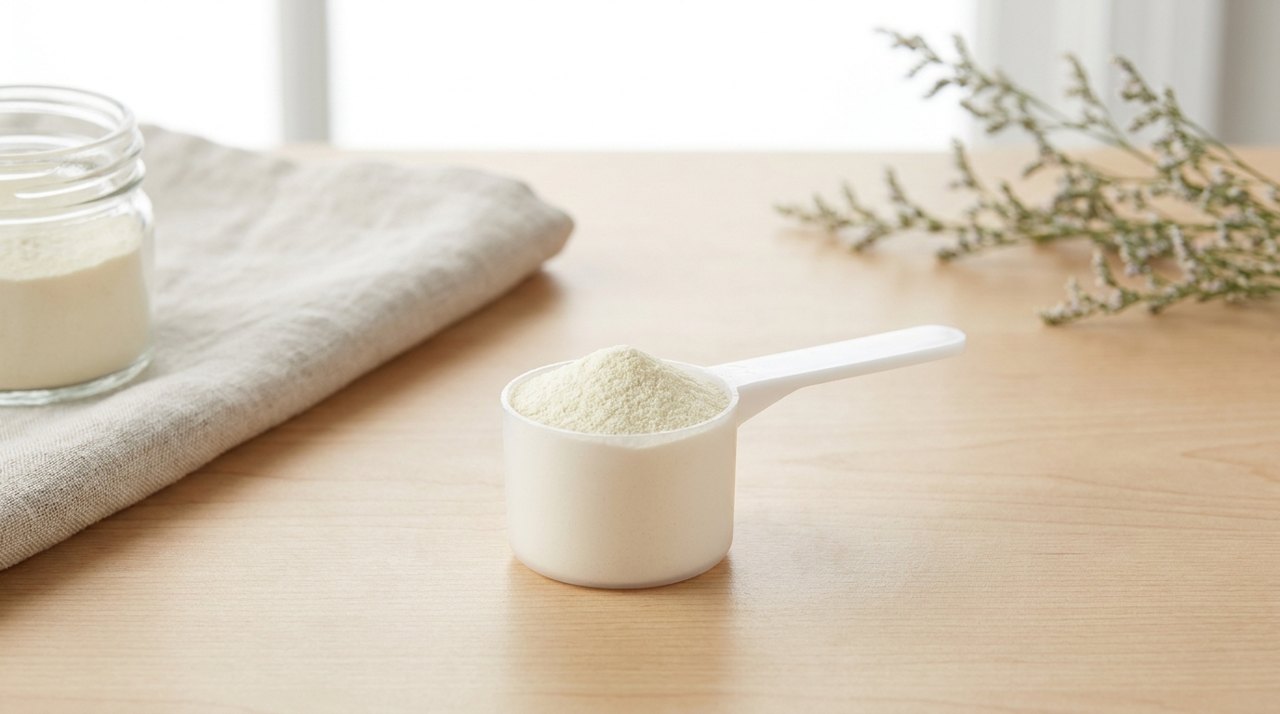
Navigating the supplement aisle can sometimes feel like solving a complex math equation, and colostrum is no exception. With varying serving sizes, different scoop volumes, and wildly different concentrations of active compounds, determining which product actually offers the best value is rarely straightforward. Understanding how to calculate the cost per gram of Immunoglobulin G (IgG)—the most commonly standardized active component in colostrum—can help you see past clever marketing tactics and make an informed, cost-effective choice.
Why Focus on IgG?
Immunoglobulin G (IgG) is the primary antibody found in bovine colostrum. While high-quality colostrum contains hundreds of bioactive compounds—including growth factors, lactoferrin, and proline-rich polypeptides—IgG is widely used by manufacturers and researchers as a benchmark for general potency and quality. Research suggests that bovine IgG may help support a healthy gut lining and normal immune function, though it is important to remember that colostrum is a dietary supplement, not a treatment, cure, or preventative measure for any medical condition or disease.
Because IgG is the standard metric across the industry, comparing products based on their total IgG yield per container gives you a much clearer picture of what you are actually paying for. Without looking at the IgG yield, you might end up paying premium prices for a product that is mostly filler or highly diluted.
The Serving Size Illusion
Supplement brands often use serving sizes to manipulate the perceived value of their products. If you are comparing two bottles side by side, you might naturally gravitate toward the one that boasts more servings or a lower price tag. However, here are the two most common tactics used to obscure the true cost of the active ingredients:
- The Inflated Serving Size: A brand might boast "1,000 mg of IgG per serving!" on the front label. However, turn the bottle around, and you may find that a single serving requires you to take a massive 5-gram scoop (or swallow six large capsules) to get that amount. You will burn through the bottle much faster than anticipated.
- The Low-Percentage Concentration: A product might seem like a bargain based on total weight, but if it only contains 15% IgG, you are paying mostly for less concentrated powder. Compare this to a premium 40% IgG extract, where a much smaller dose yields the same amount of active immunoglobulins.
- Capsule Weight Discrepancies: When deciding between powder vs capsules, remember that the stated milligram weight on a capsule label sometimes includes the weight of the capsule shell itself or added flow agents (like magnesium stearate), meaning you are getting slightly less actual colostrum than the total weight implies.
Shopping for colostrum? Our current best-value pick is BIOMIXA grass-fed colostrum powder on Amazon.
How to Calculate Cost per Gram of IgG
You don't need an advanced degree in mathematics to figure this out. Grab a calculator and follow these three simple steps to find the true value of any colostrum supplement:
- Find the total grams of colostrum per container: Multiply the serving size (in grams) by the number of servings per container. For example, if a product offers 2 grams per serving and contains 30 servings, you have 60 grams of total colostrum.
- Calculate total grams of IgG per container: Multiply the total grams of colostrum by the stated IgG percentage. Using the previous example, if the 60 grams of colostrum is standardized to 20% IgG, you multiply 60 by 0.20 to get 12 grams of total IgG per container.
- Determine the cost per gram of IgG: Divide the retail price of the container by the total grams of IgG. If the bottle costs $40, you divide $40 by 12 grams. Your final cost is $3.33 per gram of IgG.
A Real-World Comparison
Let's look at a hypothetical comparison between two popular options to see how the math plays out in the real world. Brand A markets itself as a budget-friendly option with an impressive number of servings, while Brand B positions itself as a premium, highly concentrated product.
| Product Metric | Brand A (The "Bargain") | Brand B (The "Premium") |
|---|---|---|
| Retail Price | $30.00 | $60.00 |
| Colostrum per Serving | 1,000 mg (1g) | 2,000 mg (2g) |
| Servings per Container | 60 | 30 |
| Total Colostrum Content | 60 grams | 60 grams |
| IgG Standardization | 15% | 40% |
| Total IgG per Container | 9 grams | 24 grams |
| Cost per Gram of IgG | $3.33 | $2.50 |
At first glance, Brand A looks like the clear winner. It costs half as much upfront and offers twice as many servings. However, when you calculate the value based on the active IgG content, Brand B is actually the more cost-effective choice. You get significantly more of the active compound for your dollar with the "expensive" brand.
Beyond the Math: Other Quality Factors
While calculating the cost per gram of IgG is an excellent tool for your colostrum buying strategy, it should not be the only factor in your decision. Not all colostrum is created—or absorbed—equally, and sometimes paying a slightly higher price per gram of IgG is worth it for superior quality.
Processing Methods
High heat can denature the delicate proteins and antibodies in colostrum, potentially rendering the IgG less effective. Look for products that explicitly state they are cold-processed or processed at low temperatures. This careful handling helps preserve the structural integrity of the immunoglobulins, even if the total percentage looks identical to a cheaper, heat-processed brand.
Delivery Systems
Harsh stomach acid can break down immunoglobulins before they reach the intestines, where they are thought to exert most of their benefits. Some manufacturers use liposomal encapsulation—wrapping the colostrum particles in a layer of protective phospholipids. Some studies suggest this technology may improve survivability and absorption in the digestive tract. A slightly more expensive product with liposomal delivery might offer better practical value than a cheaper, non-liposomal alternative that gets destroyed in the stomach.
Whole vs. Extracted Colostrum
Some highly concentrated products (like those boasting 45% or 50% IgG) have been heavily processed to remove fats and concentrate the proteins. While this yields an impressive IgG number for our math equation, it may remove other potentially beneficial components naturally found in whole colostrum, such as milk fat globule membranes (MFGM). Your choice may depend on whether you want a highly targeted IgG supplement or a more holistic, whole-food profile.
The Bottom Line
Supplement labels are designed to sell products, not to do your math for you. By taking just two minutes to calculate the actual cost per gram of IgG, you can cut through the marketing noise and identify which supplements truly offer the best bang for your buck. Remember to balance this mathematical approach with a careful evaluation of the brand's sourcing, processing methods, and delivery systems to ensure you are getting a high-quality product that safely aligns with your wellness goals.
BIOMIXA Bluegrass Colostrum
A grass-fed, unflavored colostrum powder that balances quality and price well — our pick for the best bang for your buck. Check the current price and reviews on Amazon.