Liposomal Colostrum: Is It Worth the Premium?
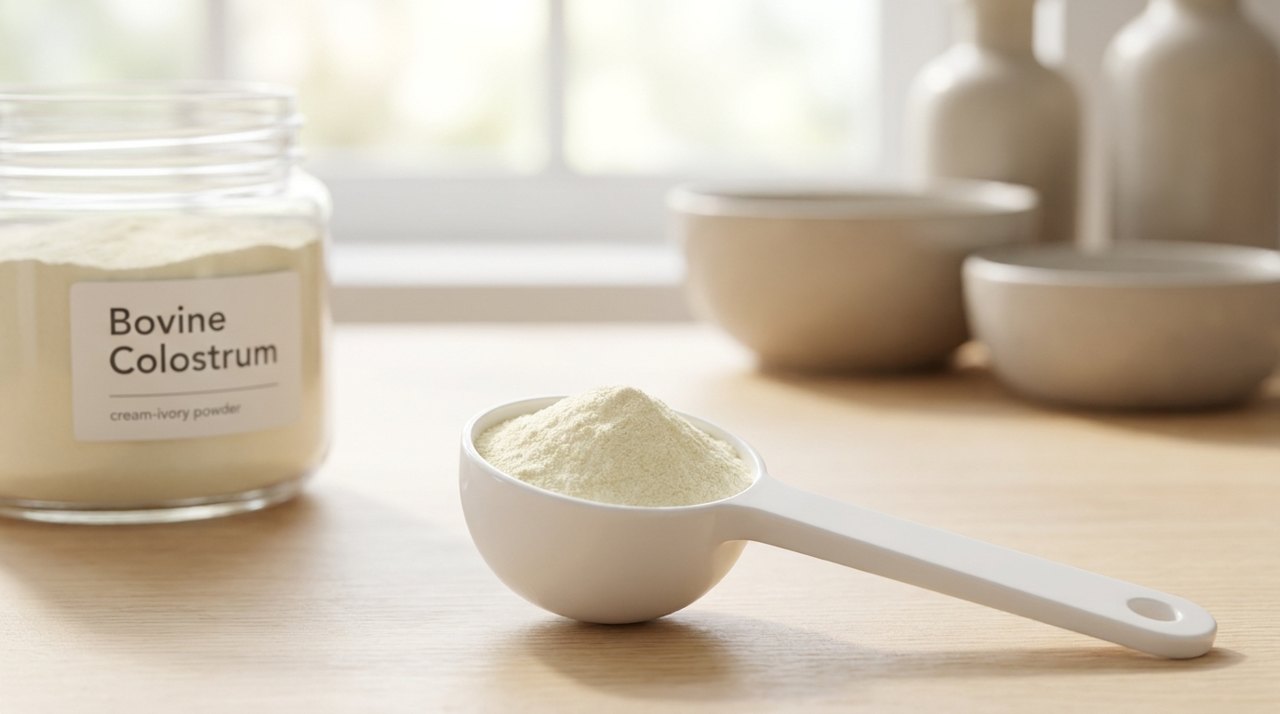
Liposomal colostrum is one of the priciest formats on the shelf, promising better absorption by wrapping colostrum's components in tiny fat-based bubbles. But does that promise hold up, and is the markup justified for the average buyer? Here's an honest look at what liposomal delivery is, what the evidence does and doesn't show, and who might reasonably consider it.
What "liposomal" actually means
A liposome is a microscopic sphere made of phospholipids—the same type of fat that forms your own cell membranes. In theory, encapsulating a nutrient inside a liposome can shield it from stomach acid and digestive enzymes, then help it cross the gut lining more efficiently. Liposomal delivery has been studied most for vitamin C, glutathione, and certain drugs, where some research suggests improved bioavailability compared with standard forms.
Colostrum is a complex mix of immunoglobulins (mainly IgG), lactoferrin, growth factors, and other bioactive proteins. The marketing logic is that these fragile molecules survive digestion better when liposome-protected. It's a plausible idea—but plausible is not the same as proven.
What the evidence says (and doesn't)
This is where honesty matters. As of now, there is very little published human research specifically testing liposomal colostrum against standard colostrum powder or capsules. Most claims are extrapolated from liposome studies on unrelated compounds.
- Indirect support: Liposomal encapsulation has improved absorption of some nutrients in controlled studies, so the mechanism isn't fantasy.
- Direct evidence gap: Head-to-head trials showing liposomal colostrum outperforms a quality conventional product are essentially absent.
- Formulation variability: "Liposomal" is not a regulated term. Some products may contain true liposomes; others are simply colostrum blended with lecithin and marketed as liposomal.
In short, the upgrade may help, but the data needed to confirm a meaningful real-world difference for colostrum specifically is not yet there.
Weighing the premium
Liposomal products often cost two to four times more per serving than standard powder. Whether that's worth it depends on what you'd otherwise buy.
| Factor | Standard colostrum | Liposomal colostrum |
|---|---|---|
| Cost per serving | Lower | Notably higher |
| Evidence base | Larger overall | Limited, mostly indirect |
| Absorption claim | Conventional | Potentially enhanced (unproven for colostrum) |
| IgG content transparency | Often clearly labeled | Sometimes obscured by proprietary blends |
A useful rule: a well-sourced standard product with a clearly stated IgG percentage and a higher dose may deliver more active material than a smaller, pricier liposomal serving. Quantity and quality of the raw colostrum often matter more than the delivery wrapper.
Who might consider it
Liposomal colostrum could appeal to a few specific buyers:
- People who take colostrum daily and feel they get less benefit from standard powder—and who can afford to experiment.
- Those who prefer a small capsule or liquid dose over mixing larger amounts of powder.
- Buyers willing to pay a premium for a convenience or comfort factor rather than a proven performance edge.
For most people starting out, a reputable conventional product is the more sensible first purchase. You can always test a liposomal version later if you want to compare how you feel.
How to evaluate a liposomal product
Check the label closely
- Look for the actual colostrum amount per serving, not just "proprietary liposomal complex."
- Confirm a stated IgG percentage—a sign the maker is transparent.
- See whether real phospholipids (e.g., phosphatidylcholine) are listed, versus a vague "liposomal" claim.
- Note sourcing: grass-fed, first-milking, and third-party testing still matter regardless of format.
These are the same fundamentals covered in our colostrum buyer's guide, and they apply to premium formats just as much as basic ones.
The bottom line
Liposomal colostrum is built on a reasonable scientific concept, but the specific evidence that it beats a good standard product is thin. It is a dietary supplement, not a treatment for any condition, and no format changes that. If budget is no obstacle and you value convenience, it may be worth a trial. If you want the most active colostrum for your money, a transparent, well-dosed conventional product is usually the smarter buy. For a closer look at how delivery formats stack up, see our comparison of powder versus capsules, or browse more colostrum guides to decide what fits your routine.
BIOMIXA Bluegrass Colostrum
A grass-fed, unflavored colostrum powder that balances quality and price well — our pick for the best bang for your buck. Check the current price and reviews on Amazon.