Is Cheap Colostrum Worth It? What You Give Up at Low Prices
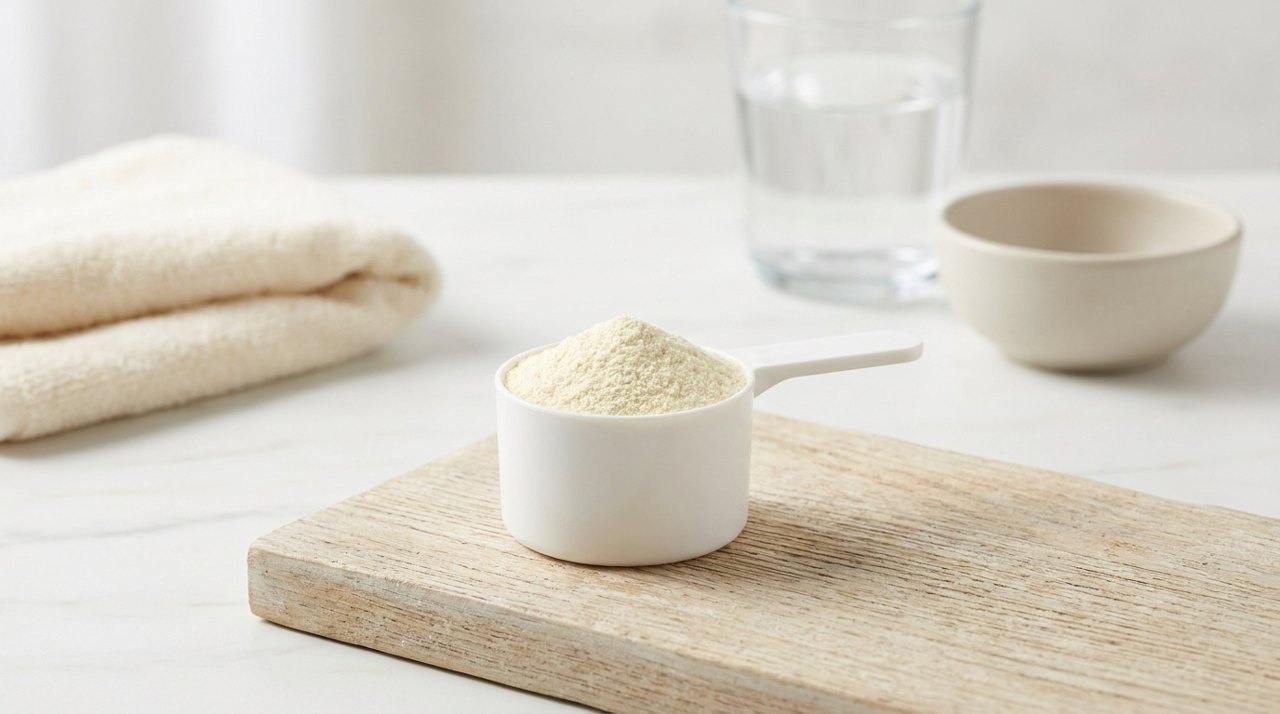
When shopping for colostrum, you will likely notice a staggering difference in price tags. Some budget brands offer massive tubs for a fraction of the cost of premium, boutique options. While everyone loves a good deal, dietary supplements are rarely created equal. If you are wondering whether cheap colostrum is worth it, the short answer is that low prices usually require manufacturing shortcuts. Understanding what you give up when you opt for the cheapest option on the shelf can help you make a more informed decision for your daily wellness routine.
The Reality of Sourcing Bovine Colostrum
Bovine colostrum is the initial fluid produced by cows shortly after giving birth, before the production of true milk begins. This fluid is naturally scarce. A cow only produces a limited amount, and responsible farmers ensure the newborn calf gets its required share first. The remaining colostrum is what gets collected for human supplements.
Because genuine colostrum is a limited resource, acquiring it is inherently more expensive than acquiring standard dairy milk. When a product is priced suspiciously low, it often indicates that the manufacturer has found ways to stretch the raw material or reduce production costs. These cost-saving measures can directly impact the concentration of the bioactive compounds—like immunoglobulins (IgG), lactoferrin, and proline-rich polypeptides (PRPs)—that people typically take colostrum for in the first place.
What You Give Up with Budget Brands
1. Timing of Collection
The most significant difference between true colostrum and transitional milk is the time of collection. The highest concentration of immune-supporting compounds is found in the fluid collected within the first 16 to 24 hours after calving. As time passes, the fluid rapidly transitions into standard milk, meaning the levels of IgG and other bioactives drop significantly.
Budget brands may collect fluid up to 48 or even 72 hours post-calving. This allows them to yield a much larger volume of product to sell at a lower price, but the resulting powder is often closer to expensive dry milk than it is to true colostrum.
2. Gentle Processing Techniques
Colostrum is packed with delicate proteins and enzymes that are highly sensitive to heat. To preserve these bioactive compounds, premium manufacturers use low-heat pasteurization and gentle spray-drying or freeze-drying methods. These specialized, low-temperature processes are time-consuming and costly.
Conversely, cheap colostrum is often processed using standard, high-heat dairy pasteurization. While this meets safety standards, the high temperatures can denature the fragile proteins, potentially rendering the supplement less effective. If a budget brand does not explicitly state that it uses "cold processing" or "low-heat" methods, it is generally safer to assume they use standard high heat.
3. Sourcing and Animal Welfare
The environment in which the cows are raised may influence the quality of the colostrum. Many premium brands source their colostrum from pasture-raised, grass-fed cows that are not subjected to unnecessary antibiotics or synthetic hormones. Budget brands often source from large-scale, conventional dairy operations where cows are grain-fed and kept in confined spaces. Some studies suggest that the nutritional profile of dairy products from pasture-raised cows may be slightly more favorable, though more research is needed specifically regarding colostrum.
Shopping for colostrum? Our current best-value pick is BIOMIXA grass-fed colostrum powder on Amazon.
Comparing the Specs: Premium vs. Cheap
When evaluating a colostrum supplement, looking closely at the product specifications can reveal why a brand is priced the way it is. Here is a general breakdown of how budget and premium options typically compare.
| Feature | Budget Colostrum | Premium Colostrum |
|---|---|---|
| Collection Time | 48 to 72 hours (Transitional milk) | Within 16 to 24 hours (True colostrum) |
| IgG Content | Often unlisted, or less than 15% | Standardized to 20% - 40% |
| Processing | Standard high-heat spray drying | Low-heat or freeze-dried |
| Sourcing | Conventional feedlot dairy | Grass-fed, pasture-raised |
Is Cheap Colostrum Ever Worth It?
Whether a budget option makes sense depends on your goals. If you are simply looking for an alternative source of protein or a mild dairy supplement to add to your morning smoothie, a cheaper brand might suffice. Some people also use budget colostrum as a supplemental food for their pets, though you should always consult a veterinarian first.
However, if you are taking colostrum specifically to support gut lining integrity or to promote a healthy immune response, a cheap product may be a false economy. Buying a low-cost supplement that lacks the necessary bioactive compounds means you are essentially paying for standard milk powder. In these cases, investing in a higher-quality product, even if you take a smaller daily dose, may yield better results than consuming large amounts of a heavily processed, diluted powder.
Finding the Sweet Spot: Value and Quality
You do not necessarily have to buy the most expensive luxury brand on the market to get a good product. The key is to look for transparency. A worthwhile colostrum supplement should clearly state three things:
- A tight collection window: Ideally under 24 hours.
- Gentle processing methods: Low heat or freeze-dried.
- Standardized IgG levels: Look for at least 20% to 25% IgG on the label.
If a company is not transparent about these factors, their low price is likely hiding a subpar product. To maximize your budget without sacrificing quality, consider the format of the supplement. As noted in our comparison of colostrum powder vs. capsules, loose powder is almost always more cost-effective per serving than encapsulated versions, as you are not paying for the extra manufacturing steps.
Additionally, taking the time to read our comprehensive colostrum buyer's guide can help you identify reputable brands that strike a fair balance between high manufacturing standards and reasonable pricing. Ultimately, when it comes to colostrum, you generally get what you pay for. By understanding the manufacturing shortcuts that lead to rock-bottom prices, you can avoid wasting your money on inactive powders and choose a supplement that actually supports your wellness goals.
BIOMIXA Bluegrass Colostrum
A grass-fed, unflavored colostrum powder that balances quality and price well — our pick for the best bang for your buck. Check the current price and reviews on Amazon.