Flavored vs Unflavored Colostrum: Which Should You Buy?
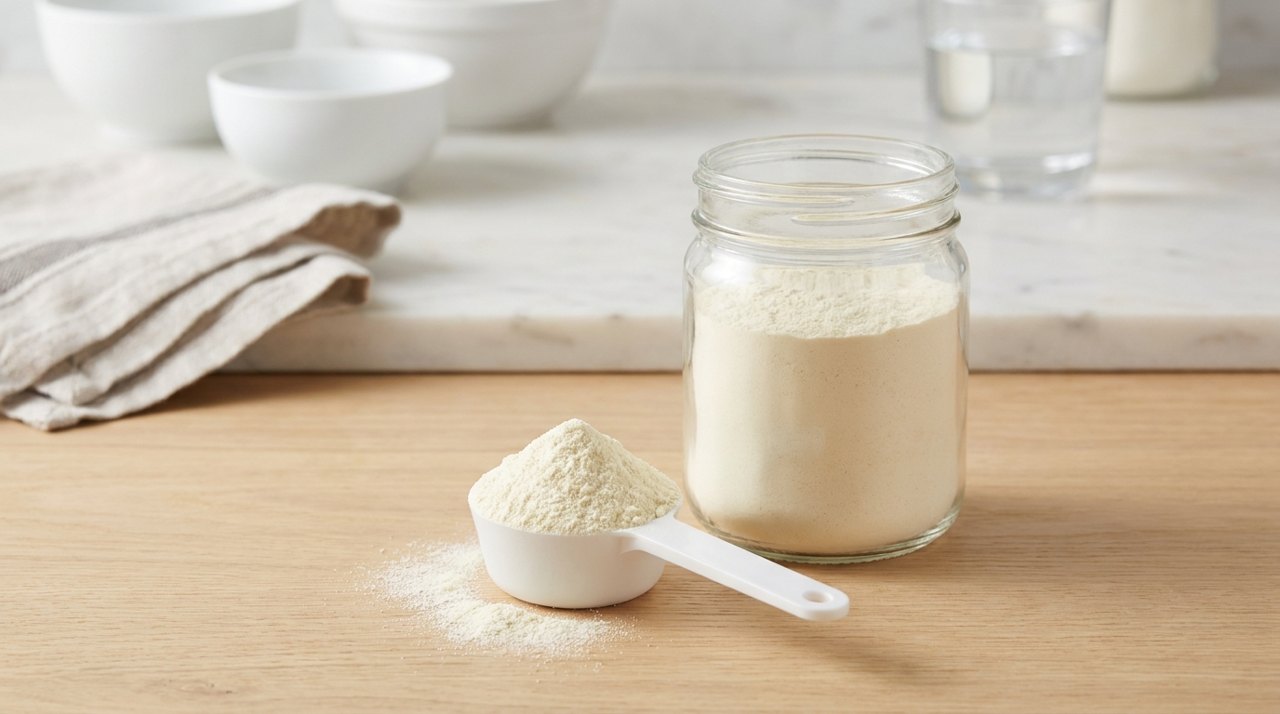
Colostrum supplements come in two basic camps: unflavored powders and capsules that taste like almost nothing, and flavored versions — vanilla, chocolate, berry — designed to make a daily scoop more palatable. The right choice depends less on marketing and more on how you plan to take it, how sensitive you are to taste, and how carefully you read ingredient labels. Here's an honest breakdown to help you decide.
What Unflavored Colostrum Actually Tastes Like
Pure bovine colostrum powder has a mild, slightly sweet, creamy dairy taste — often compared to powdered milk with a faintly tangy or "farmy" edge. Most people find it inoffensive; some find it unpleasant, especially when mixed into plain water rather than a smoothie or milk. Taste also varies between brands depending on processing method (freeze-dried powders often taste cleaner than spray-dried ones) and how much fat has been removed.
If you've never tried colostrum before, it's worth knowing that the taste is rarely a dealbreaker — but it's also not nothing. That's the gap flavored products aim to fill.
The Case for Flavored Colostrum
The strongest argument for flavored colostrum is simple: consistency. A supplement only has a chance of helping if you actually take it, and any potential benefits people report — such as digestive or immune support — appear to depend on regular daily use over weeks, not occasional doses. If a vanilla-flavored scoop is the difference between a daily habit and a jar gathering dust, the flavoring has earned its place.
Flavored versions also mix more pleasantly into plain water, which matters if you don't want to build a smoothie around your supplement every morning.
Shopping for colostrum? Our current best-value pick is BIOMIXA grass-fed colostrum powder on Amazon.
The Case for Unflavored
Unflavored colostrum has several practical advantages that make it the default recommendation for most buyers:
- Cleaner labels. Flavored products need sweeteners (stevia, monk fruit, or sometimes sugar), natural or artificial flavors, and often anti-caking agents or gums. Each addition is one more variable — and one more thing that can dilute the actual colostrum content per serving.
- More colostrum per gram. With unflavored powder, nearly the entire scoop is colostrum. In flavored blends, fillers and flavor systems can take up a meaningful share of each serving, so compare the stated colostrum grams per serving, not just scoop size.
- Versatility. Unflavored powder disappears into smoothies, yogurt, oatmeal, or milk without clashing with other ingredients. If you like to rotate how you take it, unflavored is far more flexible — see these colostrum recipe ideas for ways to work it into food and drinks.
- Usually cheaper per gram of colostrum. Flavoring adds cost, and you're paying supplement prices for it.
Side-by-Side Comparison
| Factor | Flavored | Unflavored |
|---|---|---|
| Taste in plain water | Pleasant, easy daily habit | Mild but noticeable dairy taste |
| Ingredient list | Longer — sweeteners, flavors, sometimes gums | Typically one ingredient |
| Colostrum per serving | Often reduced by flavor system | Nearly 100% of scoop |
| Mixing into food/smoothies | Limited — flavor can clash | Highly versatile |
| Cost per gram of colostrum | Usually higher | Usually lower |
Label Details That Matter More Than Flavor
Whichever direction you lean, flavor should be a secondary filter. These factors matter more:
- Colostrum content per serving. Check the actual grams of colostrum, not the total scoop weight. Some flavored products quietly deliver less.
- IgG standardization. Reputable brands state a minimum immunoglobulin G percentage (commonly 15–30%). This is one of the few objective quality markers available, though standardized IgG content doesn't guarantee any particular health outcome.
- Sweetener type. If you're avoiding sugar or dislike stevia's aftertaste, read the label — "naturally sweetened" covers a wide range.
- Sourcing and processing. Look for grass-fed sourcing and low-heat processing claims, ideally with third-party testing.
Our colostrum buyer's guide walks through these quality markers in more depth, and if taste is a major concern, capsules sidestep the issue entirely — we compare the trade-offs in powder vs. capsules.
A Note on Expectations
It's worth saying plainly: colostrum is a dietary supplement, not a medicine. Some studies suggest bovine colostrum may support gut and immune function in certain contexts, but the research is limited, study sizes are often small, and results are mixed. No flavor choice — or brand choice — changes that. Choose the format you'll take consistently, keep expectations modest, and talk to your doctor if you have dairy allergies or underlying health conditions.
Bottom Line: Which Should You Buy?
Buy unflavored if you'll mix it into smoothies or food, want the most colostrum per dollar, or prefer single-ingredient supplements. This is the better choice for most people.
Buy flavored if you'll take it stirred into plain water and know from experience that an unpleasant daily ritual means you'll quit. A slightly less "pure" product you take every day beats a pristine one you abandon after a week.
If you're still on the fence, start with a small tub of unflavored from a brand with clear IgG standardization. You can always add your own vanilla extract, cocoa, or honey — which gives you flavor on your terms without paying for it in reduced colostrum content.
BIOMIXA Bluegrass Colostrum
A grass-fed, unflavored colostrum powder that balances quality and price well — our pick for the best bang for your buck. Check the current price and reviews on Amazon.