Colostrum vs Collagen: Which Supplement Fits Your Goal?
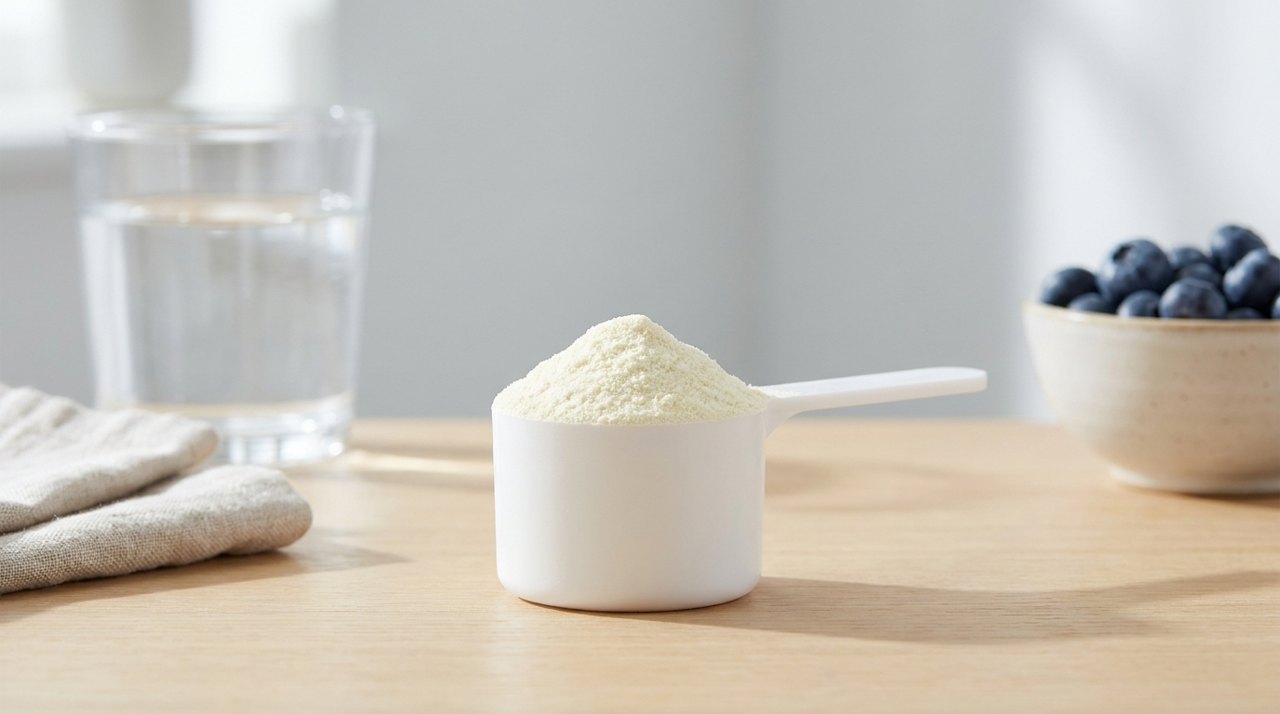
Colostrum and collagen sit side by side on the same shelf, often at similar prices, and marketing copy for both leans on words like "gut," "skin," and "recovery." They are not interchangeable. Collagen is a structural protein broken down into short peptides; colostrum is the first milk mammals produce, carrying immunoglobulins, growth factors, and oligosaccharides. Choosing between them is mostly a question of which goal you are actually chasing — and being honest that the evidence behind each is uneven.
What each one actually is
Collagen supplements are almost always hydrolyzed collagen (collagen peptides), made from bovine hide, bone, fish skin, or scales. Hydrolysis chops the protein into fragments of roughly 2,000–5,000 daltons so it dissolves and absorbs more readily. Nutritionally, it is a protein — one that is high in glycine, proline, and hydroxyproline but incomplete, since it lacks meaningful tryptophan.
Bovine colostrum is the pre-milk secretion produced in the first hours after calving, then spray- or freeze-dried into powder. Its composition is far more mixed: immunoglobulins (mainly IgG), lactoferrin, growth factors such as IGF-1 and TGF-β, milk oligosaccharides, plus ordinary protein, fat, and lactose. Because it is a whole biological fluid rather than a single isolated protein, colostrum products vary far more between brands than collagen does.
Side-by-side comparison
| Colostrum | Collagen peptides | |
|---|---|---|
| Source | Bovine first milk | Hide, bone, fish skin |
| Key components | IgG, lactoferrin, growth factors, oligosaccharides | Glycine, proline, hydroxyproline peptides |
| Typical daily serving | 1–20 g depending on goal and IgG content | 2.5–15 g |
| Most-studied uses | Gut barrier markers, exercise-associated GI permeability, upper-respiratory symptom days in athletes | Skin elasticity and hydration, joint discomfort in active adults |
| Evidence maturity | Moderate but fragmented; many small trials | More numerous trials, though many are industry-funded |
| Dairy content | Yes — contains lactose and milk proteins | No |
| Vegetarian option | No | No (marine collagen is fish) |
| Cost per month | Usually higher | Usually lower |
Shopping for colostrum? Our current best-value pick is BIOMIXA grass-fed colostrum powder on Amazon.
Match the supplement to the goal
Skin, hair, and nails
This is collagen's strongest territory. Several randomized trials and meta-analyses report modest improvements in skin hydration and elasticity after 8–12 weeks of 2.5–10 g daily. Effects are real but small, and much of the research is funded by ingredient manufacturers, so temper expectations. Colostrum has little direct human evidence for skin outcomes; any benefit would be indirect and speculative.
Gut comfort and barrier function
Here colostrum has the better rationale. Small studies suggest bovine colostrum may reduce markers of intestinal permeability, including in athletes exercising in heat and in people taking NSAIDs. Trials are small, short, and use inconsistent dosing, so this remains suggestive rather than settled. Collagen's gut claims rest mainly on glycine and glutamine content and are largely mechanistic, not clinical.
Joints and connective tissue
Collagen again. Both hydrolyzed collagen and undenatured type II collagen have been studied for activity-related joint discomfort, with generally positive but modest results. Colostrum contains growth factors that are theoretically relevant to tissue repair, but human joint data are thin.
Immune resilience and training load
Colostrum's most-cited application. Some trials in endurance athletes report fewer self-reported upper-respiratory symptom days during heavy training blocks. This is symptom reporting, not disease prevention, and results are mixed. Collagen has no meaningful role here.
Protein intake
Neither is a good primary protein source. Collagen is incomplete; colostrum servings are usually too small to contribute much. Whey, casein, or soy remain better choices for building daily protein.
Can you take both?
Yes, and there is no known interaction. A common pattern is collagen in the morning coffee and colostrum on an empty stomach before breakfast. If budget is limited, though, stacking two mid-evidence supplements is usually less useful than taking one consistently for 8–12 weeks and judging the result. Start with whichever matches your top goal; add the second only if you have a distinct second goal.
Practical buying notes
- For colostrum: check the stated IgG percentage (commonly 15–40%), whether it is first-milking, and whether processing was low-heat. Third-party testing matters more here because product variability is high. Our buyer's guide walks through what to verify on a label.
- For collagen: look for peptide molecular weight, source (bovine vs marine), and whether a specific studied ingredient is named rather than generic "collagen."
- Format: powders let you hit higher doses cheaply; capsules are easier to travel with but rarely practical above a few grams. See powder vs capsules for the tradeoffs.
Safety and who should skip them
Both are generally well tolerated in healthy adults. Colostrum contains lactose and milk proteins, so it is unsuitable for anyone with a milk allergy and may cause bloating in people with significant lactose intolerance. Collagen occasionally causes mild digestive upset or an aftertaste; marine collagen is off-limits for those with fish allergies. Neither is appropriate as a substitute for medical treatment, and anyone pregnant, immunocompromised, or on prescription medication should ask a clinician first.
The short answer
Choose collagen if your priority is skin appearance or joint comfort. Choose colostrum if your priority is gut-barrier support or staying healthy through heavy training. Choose neither if you expect dramatic results — the honest summary for both is "modest effects in some people, over months, on top of good sleep, protein, and training."
BIOMIXA Bluegrass Colostrum
A grass-fed, unflavored colostrum powder that balances quality and price well — our pick for the best bang for your buck. Check the current price and reviews on Amazon.