Colostrum Storage and Shelf Life: A Buyer's Guide
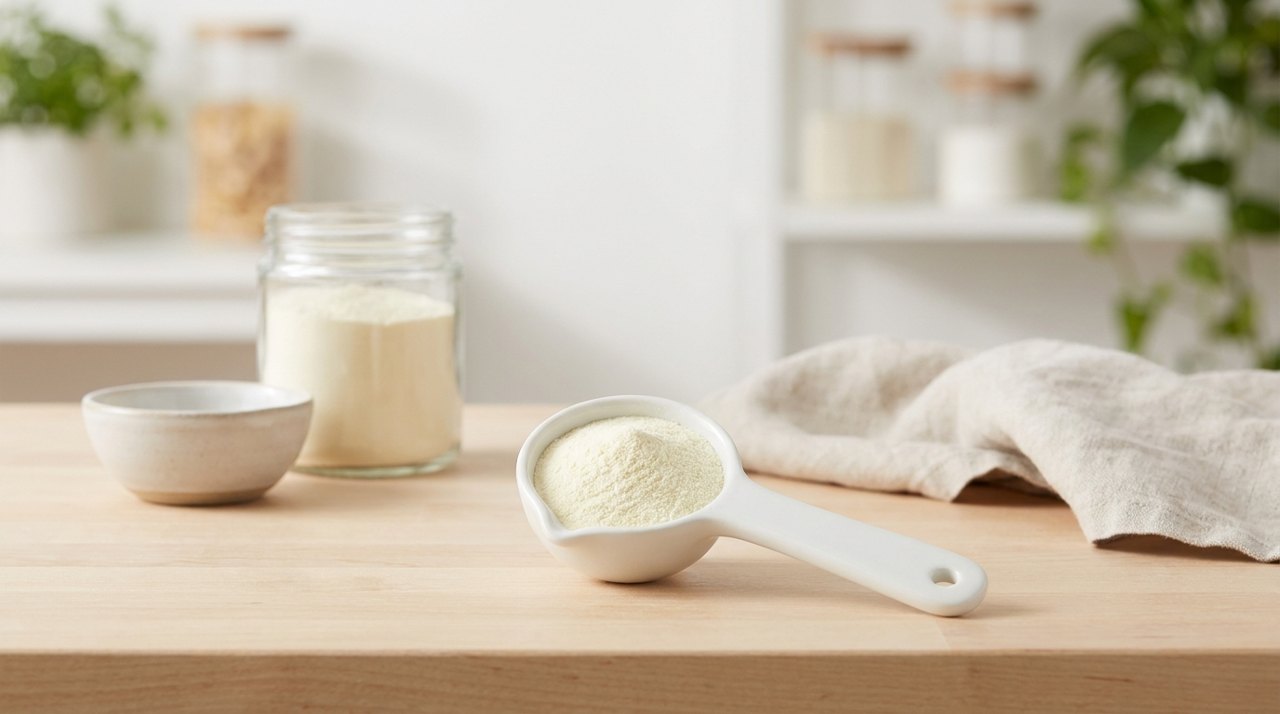
Colostrum supplements aren't cheap, so it makes sense to protect your investment by storing them well. The good news is that quality colostrum is fairly forgiving, but heat, moisture, light, and air can all slowly degrade it over time. This guide explains what affects shelf life, how to read the dates on the label, and practical steps to keep your powder or capsules fresh for as long as possible.
What affects colostrum's shelf life?
Bovine colostrum is a dried dairy product, usually spray-dried or freeze-dried into a powder. Like other protein-rich powders, its stability depends on a handful of factors:
- Moisture. Water is the main enemy. Humidity can cause clumping and creates conditions where degradation and microbial growth become more likely.
- Heat. Warm temperatures may accelerate the breakdown of heat-sensitive components such as immunoglobulins and some growth factors.
- Oxygen and light. Exposure to air and UV light can promote oxidation of fats and other nutrients over time.
- Processing quality. How the colostrum was dried, packaged, and sealed at the source has a large influence on how long it stays stable.
Because colostrum is marketed as a dietary supplement rather than a drug, the strength of evidence on exactly how fast its bioactive compounds decline in home storage is limited. Treat shelf life as a best-by quality estimate, not a precise cutoff.
Reading the dates on the label
Most products carry a "best before" or "expiration" date, plus a separate instruction for use after opening. These are not the same thing:
- Unopened best-before date: often 18–24 months from manufacture when stored as directed. The sealed packaging protects against air and moisture.
- After opening: many brands suggest using the product within a few weeks to a few months. Once the seal is broken, air and humidity start to reach the powder.
Always follow the specific guidance printed on your product, since formulations and packaging differ. If a label gives no after-opening window, a conservative approach is to finish powders within 1–3 months of opening.
Storage best practices
Powder
- Keep the container tightly sealed between uses, and press out excess air if it's a resealable pouch.
- Store in a cool, dry, dark place such as a pantry cupboard—away from the stove, dishwasher, or a sunny windowsill.
- Use a clean, dry scoop every time. Introducing a wet spoon is one of the fastest ways to spoil a powder.
- If your product includes a desiccant packet, leave it in the container.
Capsules
Capsules and tablets are generally a bit more resilient because each dose is individually enclosed, which limits air exposure. The same cool-dry-dark rules apply. If you're weighing formats, our powder vs. capsules comparison covers the trade-offs in convenience and shelf stability.
Should you refrigerate colostrum?
This is a common question with no single answer. Some manufacturers recommend refrigeration after opening to extend freshness, while others say room temperature is fine. Refrigeration can slow degradation, but it also introduces a real risk: condensation. Every time you move a cold container into a warm kitchen, moisture can collect inside and on the powder.
| Storage spot | Pros | Cons |
|---|---|---|
| Cool pantry | Stable temperature, no condensation | Less protection in hot climates |
| Refrigerator | May slow degradation in warm homes | Condensation risk when opening |
| Freezer | Useful for long-term unopened storage | Repeated thawing causes moisture; avoid for daily-use containers |
If you do refrigerate, let the sealed container reach room temperature before opening it, and follow the manufacturer's instructions first.
Signs colostrum may have gone off
Trust your senses. Discard or stop using a product if you notice:
- Hard clumping that doesn't break apart—a sign moisture has gotten in.
- Off or rancid smell rather than the mild, slightly milky scent of fresh colostrum.
- Color changes, such as yellowing or darkening beyond the usual cream shade.
- Visible mold or any unusual texture.
When in doubt, throw it out. The cost of replacing a supplement is small compared with consuming a spoiled dairy product.
Buying with shelf life in mind
You can reduce storage headaches at the point of purchase. Check the manufacture or best-before date so you're not buying near-expiry stock, and choose package sizes you'll realistically finish within a few months of opening. Resealable, opaque, foil-lined pouches or tubs tend to protect contents better than thin or clear packaging. For more on evaluating quality and sourcing, see our colostrum buyer's guide, and browse our other articles for related topics.
Bottom line: colostrum is reasonably stable when kept cool, dry, dark, and sealed. Follow the label, keep moisture out, and buy quantities that match how quickly you'll use them.
BIOMIXA Bluegrass Colostrum
A grass-fed, unflavored colostrum powder that balances quality and price well — our pick for the best bang for your buck. Check the current price and reviews on Amazon.