Colostrum Certifications Explained: GMP, NSF, Informed Sport
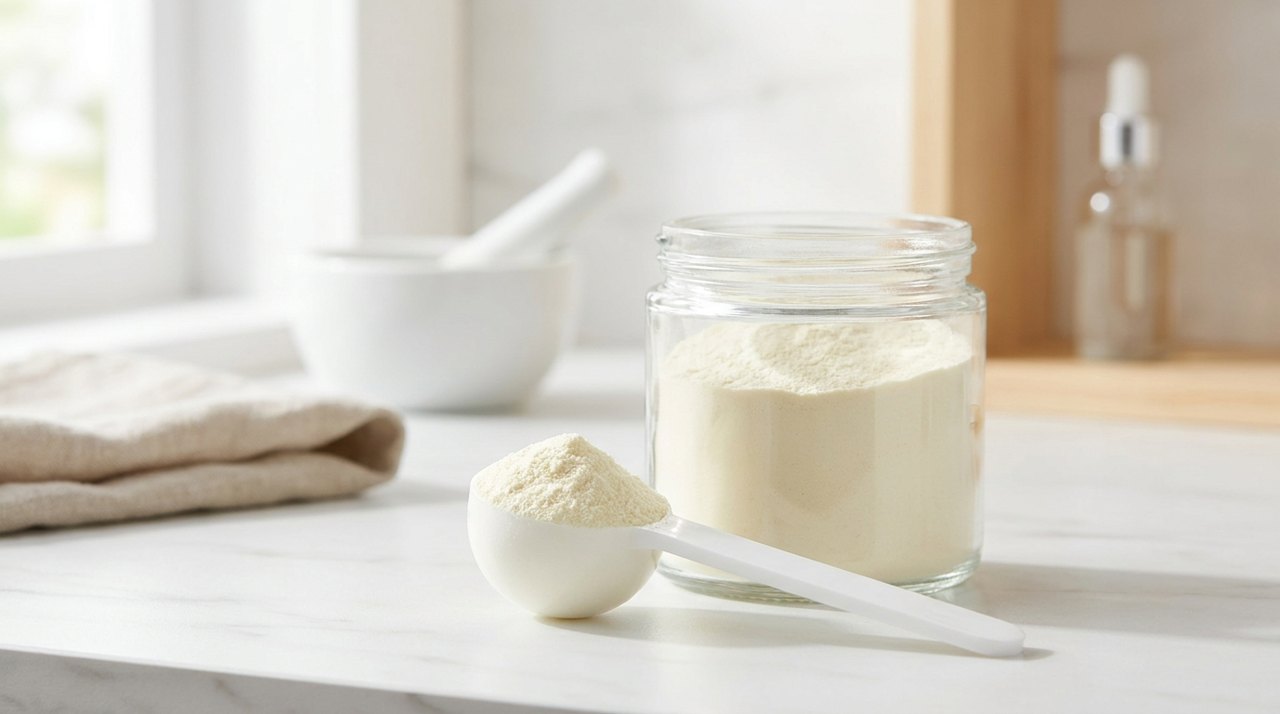
Flip over almost any colostrum supplement and you'll find a cluster of logos: GMP, NSF, Informed Sport, and more. Some of these represent rigorous, independent auditing; others are little more than marketing decoration. This guide explains what each certification actually verifies, what it doesn't, and how much weight to give it when comparing products.
Why certifications matter more for colostrum than for many supplements
Colostrum is a biological product collected from cows in the first days after calving, then chilled, processed, and dried. That supply chain leaves plenty of room for quality problems: heat damage to immunoglobulins, dilution with regular milk powder or whey, microbial contamination, and inconsistent potency between batches. Because the FDA regulates supplements as foods rather than drugs, no one pre-approves a colostrum product before it hits the shelf. Third-party certifications are the closest thing buyers have to independent oversight, which is why they feature heavily in our colostrum buyer's guide.
GMP: the baseline, not a badge of excellence
GMP stands for Good Manufacturing Practices. In the United States, supplement manufacturers are legally required to follow the FDA's current GMP regulations (21 CFR Part 111), which cover facility cleanliness, equipment maintenance, record-keeping, and identity testing of ingredients.
Here is the part many labels obscure: a "GMP" logo on a bottle usually means one of two things, and they are not equal.
- Self-declared GMP compliance. The company states it follows GMP rules. Every legal manufacturer must do this anyway, so the claim adds essentially nothing.
- Third-party GMP certification. An independent organization (such as NSF, UL, or SGS) has audited the facility and verified compliance. This is meaningfully better, and reputable brands will name the certifying body.
Either way, GMP addresses how a product is made, not what's in it. A facility can pass a GMP audit while producing a colostrum powder with low IgG content, because GMP does not verify label claims about potency.
Shopping for colostrum? Our current best-value pick is BIOMIXA grass-fed colostrum powder on Amazon.
NSF: facility audits and, sometimes, product testing
NSF is an independent public-health organization, and its marks come in tiers that are easy to confuse:
NSF GMP Registration
This certifies the manufacturing facility, with audits typically twice a year. It's a solid signal of professional operations, but again, it doesn't test the finished product's contents.
NSF Contents Certified / NSF Certified for Sport
These programs test the actual product. Contents certification checks that what's on the label is in the bottle and screens for contaminants such as heavy metals. Certified for Sport goes further, screening each batch for 280+ substances banned by major athletic organizations. Very few colostrum products carry these product-level marks, so when one does, it stands out.
Informed Sport and Informed Choice: banned-substance testing
Informed Sport, run by the UK-based lab LGC, is a batch-testing program focused on substances prohibited in competitive sport. Every production batch is tested before release, and certified products are searchable in a public database. Informed Choice is a sister program with similar testing on a periodic (rather than every-batch) schedule.
This certification matters to a specific audience. Colostrum naturally contains IGF-1, a growth factor that appears on anti-doping radar, though the amounts in typical servings are small and oral bioavailability of intact IGF-1 appears to be low. Tested athletes should note that some anti-doping bodies have historically urged caution with colostrum specifically; an Informed Sport logo reduces the risk of contamination with banned substances, but athletes should check their sport's current guidance rather than relying on any logo alone.
For non-athletes, Informed Sport is still a decent proxy for quality control, since a company willing to batch-test is usually running a tighter operation overall.
What no certification tells you
Even a fully certified product leaves important questions open:
- IgG potency. Immunoglobulin content (often 15–40% in quality powders) is the most common quality benchmark for colostrum, and none of the certifications above verify it. Look for a Certificate of Analysis (CoA) from an independent lab instead.
- Collection timing. True colostrum comes from the first milkings after calving; certifications don't audit this.
- Processing temperature. Low-heat drying may better preserve bioactive proteins, though head-to-head evidence on finished-product differences is limited.
- Whether colostrum works for your goal. Certifications verify manufacturing and contents, not effectiveness. Human research on colostrum is promising in some areas but modest in size and quality, and colostrum is a dietary supplement, not a treatment for any condition.
How to weigh certifications when comparing products
| Certification | What it verifies | Value for buyers |
|---|---|---|
| Self-declared GMP | Nothing beyond legal requirements | Minimal |
| Third-party GMP (NSF, UL, etc.) | Facility practices, audited | Good baseline |
| NSF Contents Certified | Label accuracy, contaminant screening | Strong |
| NSF Certified for Sport | Batch testing incl. banned substances | Strong (essential for tested athletes) |
| Informed Sport | Every-batch banned-substance testing | Strong (sport-focused) |
A sensible checklist: treat third-party GMP as the minimum, prefer product-level testing (NSF Contents, Informed Sport, or a recent batch-specific CoA showing IgG percentage and heavy-metal results), and be skeptical of brands that display vague seals without naming the certifier. From there, practical factors like format come into play — our comparison of colostrum powder versus capsules covers those trade-offs.
The bottom line
Certifications don't prove colostrum will deliver benefits, but they substantially reduce the risk of buying a mislabeled or contaminated product. GMP is table stakes, NSF's product-level marks and Informed Sport add real independent testing, and a transparent CoA fills the potency gap none of them cover. A brand that offers all three is telling you something useful about how seriously it takes quality.
BIOMIXA Bluegrass Colostrum
A grass-fed, unflavored colostrum powder that balances quality and price well — our pick for the best bang for your buck. Check the current price and reviews on Amazon.