Colostrum Price Guide: Understanding Cost Per Gram
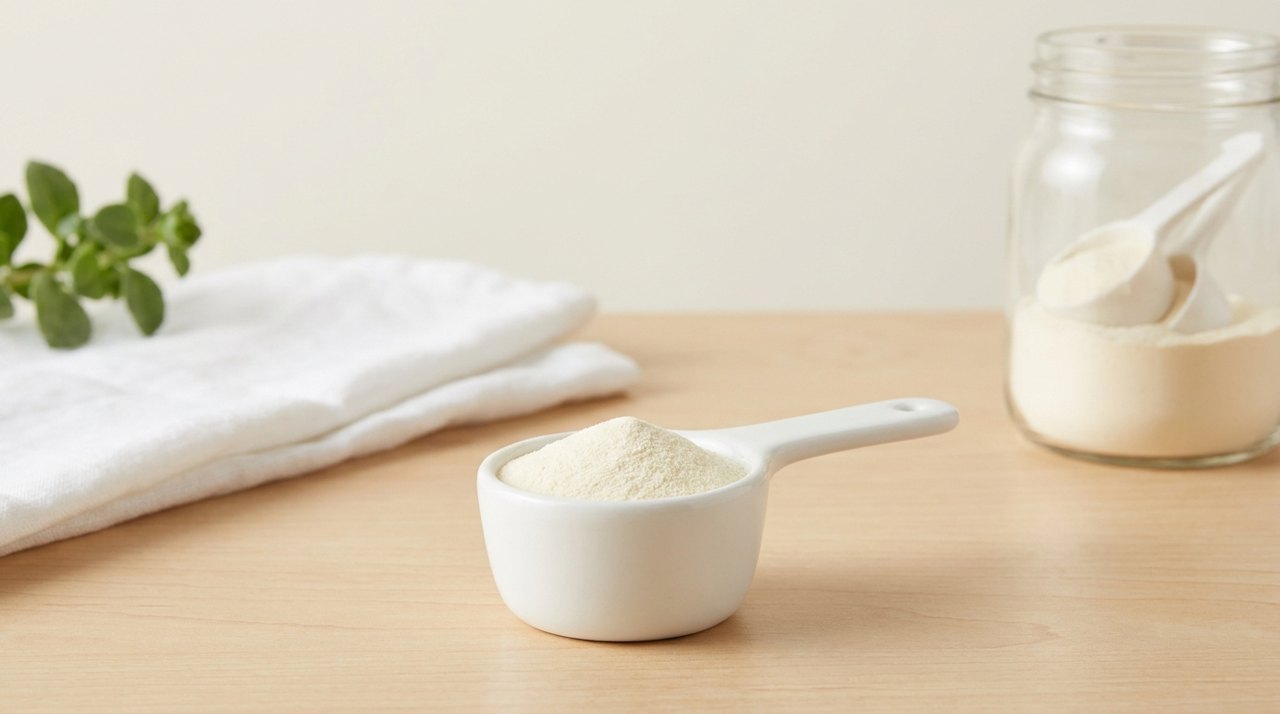
Colostrum supplements range from budget tubs to premium pouches, and the sticker price alone rarely tells you which is the better deal. The most useful number for comparison is cost per gram of actual colostrum — not cost per bottle or per capsule. This guide explains how to calculate it, what drives price differences, and how to spot value without overpaying for marketing.
Why cost per gram beats sticker price
Two products can look similarly priced while delivering very different amounts of colostrum. A 200 g powder tub and a bottle of 120 capsules may cost about the same, but the capsules might contain far less total colostrum once you account for capsule shells and fillers. Calculating cost per gram puts everything on a level playing field.
The basic formula is simple:
- Cost per gram = total price ÷ grams of colostrum in the container
- For capsules: multiply the per-capsule dose (in grams) by the capsule count to get total grams first.
For example, a $40 tub holding 200 g works out to $0.20 per gram. A $35 bottle of 120 capsules at 0.5 g each contains 60 g, or about $0.58 per gram — nearly three times more expensive per gram of colostrum.
Typical price ranges
Prices shift with brand, sourcing, and retailer, so treat the figures below as rough orientation rather than fixed rates. As of recent market surveys, common ranges look roughly like this:
| Format | Approx. cost per gram | Notes |
|---|---|---|
| Bulk powder | $0.10–$0.30 | Usually the lowest per-gram cost |
| Flavored / blended powder | $0.25–$0.60 | You pay for added ingredients and flavoring |
| Capsules / tablets | $0.40–$1.00+ | Convenience and encapsulation raise the price |
If a product sits far above these ranges, it's worth asking what justifies the premium. Our powder vs. capsules comparison goes deeper on the trade-offs between formats.
What drives the price
Sourcing and processing
Some brands emphasize grass-fed herds, first-milking collection (the colostrum drawn within hours of calving), or low-heat processing meant to preserve sensitive components. These factors may affect quality, though independent evidence comparing finished products head-to-head is limited. Such claims often command higher prices, so weigh whether the stated benefit matters to you.
Concentration and additives
Watch for products that are diluted with milk powder, maltodextrin, or other fillers. A cheaper-looking tub may contain less actual colostrum per serving. Check the supplement facts panel and ingredient list rather than the front label.
Standardization claims
Many premium products advertise a guaranteed immunoglobulin (IgG) percentage. A higher IgG figure can raise the price, but standardization methods vary between brands and aren't always directly comparable. Treat these numbers as one data point among several.
A quick method to compare products
- Find the total grams of colostrum per container (not total product weight if there are fillers).
- Divide the price by that number to get cost per gram.
- Check the serving size so you know how many grams you'll actually use per day.
- Estimate cost per day: cost per gram × your daily grams.
- Factor in shipping and any subscription discounts before deciding.
Cost per day is often more meaningful than cost per gram for budgeting, since a low per-gram price means little if the recommended serving is large. For more on choosing between options, see our buyer's guide.
Where buyers overspend
- Paying for flavor: blended and flavored powders cost more per gram; plain powder mixed into your own drink is usually cheaper.
- Small "trial" sizes: these almost always carry a high per-gram price. Larger containers typically lower the unit cost, if you're confident you'll use them.
- Capsule convenience: capsules are easy to dose but expensive per gram; if cost is your priority, powder generally wins.
- Marketing premiums: proprietary blends and aggressive health claims can inflate price without clearly better content.
The bottom line
Colostrum is a dietary supplement, and no price tier should be expected to treat, cure, or prevent any disease — claims suggesting otherwise are a reason for caution, not a reason to pay more. To shop smart, convert every option to cost per gram, then to cost per day, and read the ingredient panel to confirm you're paying for colostrum rather than fillers. With those numbers in hand, you can compare honestly across formats and brands. Browse more practical comparisons on our articles page.
BIOMIXA Bluegrass Colostrum
A grass-fed, unflavored colostrum powder that balances quality and price well — our pick for the best bang for your buck. Check the current price and reviews on Amazon.