Colostrum for Women: What to Look For When Buying
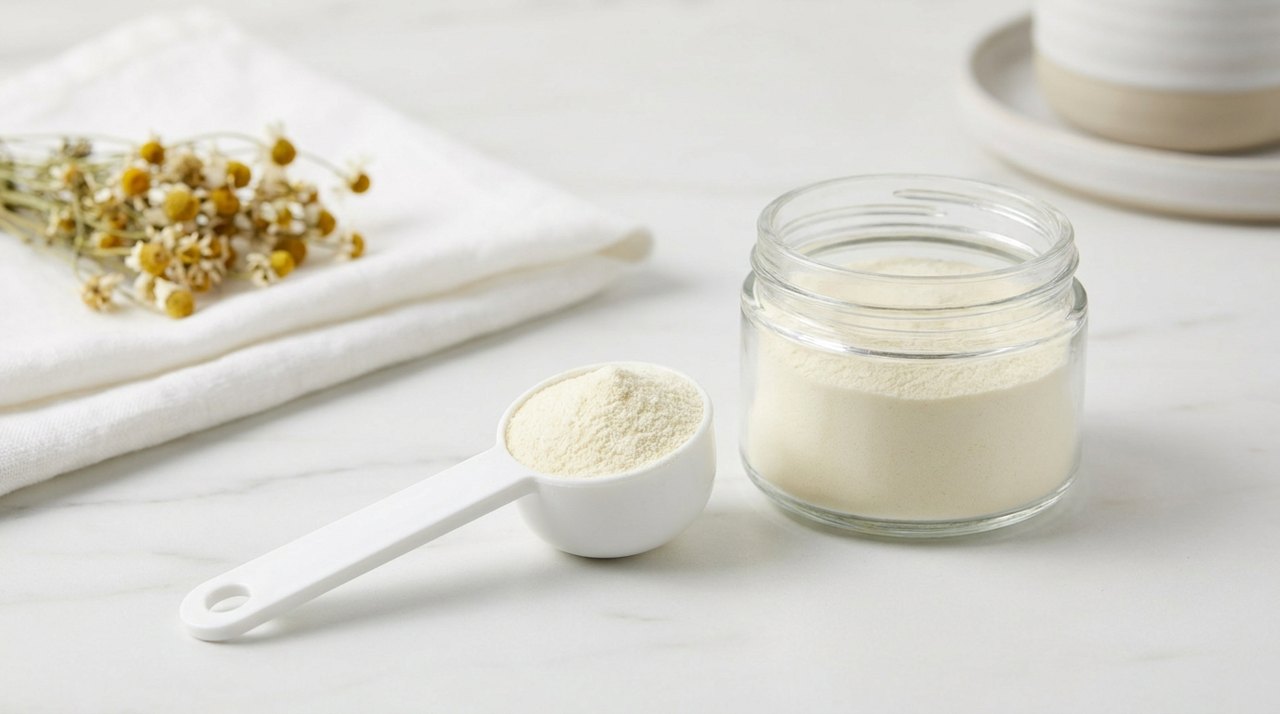
Colostrum supplements are marketed heavily to women, with claims spanning skin, hair, gut health, and immunity. Some of that marketing runs ahead of the science, but there are real differences between products worth knowing about. This guide covers what actually matters on the label when you're comparing bovine colostrum supplements — and which claims deserve a skeptical eye.
Why women are the target market — and what the evidence actually says
Bovine colostrum is the first milk cows produce after giving birth. It's rich in immunoglobulins (mainly IgG), lactoferrin, and growth factors. Most human research has focused on gut permeability and upper-respiratory complaints in athletes; a smaller body of work looks at general immune markers. Some studies suggest colostrum may support gut barrier function and may help with exercise-induced gut stress, but the trials are mostly small and short.
The claims aimed specifically at women — thicker hair, glowing skin, hormone balance — rest on much weaker ground. There is little direct clinical evidence for hair or skin outcomes, and no good evidence for "hormone balancing." Lactoferrin, one of colostrum's components, has some independent research behind it for iron metabolism and skin, which is likely where these marketing angles originate. Buy colostrum for gut and immune support if anything, and treat cosmetic claims as unproven bonuses, not the reason to purchase.
Label features that actually matter
1. IgG content, stated as a number
Immunoglobulin G is the most-studied component and the best proxy for quality. Look for a product that states a verified IgG percentage — typically 15–40% — rather than vague phrases like "immune-rich" or "high in antibodies." A label that won't commit to a number is a red flag. At 25–30% IgG, a typical 1–2 gram daily serving delivers roughly 250–600 mg of IgG, which is in line with amounts used in many studies.
2. Collection window and processing
True colostrum comes from the first milkings after calving; some products stretch the definition with later "transitional milk," which dilutes the bioactive content. Processing matters too: immunoglobulins are proteins and can be damaged by heat, so look for terms like low-heat pasteurized, flash-pasteurized, or freeze-dried. "Spray-dried at low temperature" is acceptable if the brand backs it with tested IgG numbers.
3. Sourcing and ethics
Reputable brands source from grass-fed, pasture-raised herds and state that calves receive the colostrum they need first — surplus-only collection. This matters ethically and is also a rough signal of overall supply-chain care. Claims like "hormone-free" are mostly marketing (all milk contains trace natural hormones), but rBGH/rBST-free sourcing is a reasonable thing to look for.
4. Third-party testing
Supplements aren't pre-approved by regulators, so independent verification is your main protection. Prioritize brands that publish certificates of analysis or carry third-party certifications covering IgG content, heavy metals, and microbial safety.
Shopping for colostrum? Our current best-value pick is BIOMIXA grass-fed colostrum powder on Amazon.
Quick comparison: what separates a good label from a weak one
| Label element | Good sign | Red flag |
|---|---|---|
| IgG | Stated percentage (e.g., "25% IgG, verified") | "Rich in immune factors," no number |
| Source | Grass-fed, first-milking, calves fed first | No sourcing information at all |
| Processing | Low-heat or freeze-dried | No processing details |
| Testing | Published COA or third-party seal | Only in-house claims |
| Fillers | Colostrum as the sole or primary ingredient | Proprietary blends, added milk powder |
Powder or capsules?
Powder is generally more cost-effective per gram and makes it easy to reach the 1–2+ gram servings used in research; it mixes into cool water or smoothies (avoid hot liquids, which may degrade the proteins). Capsules win on convenience and taste, but check the math — some capsule products deliver only 400–500 mg per capsule, so a research-comparable dose can mean several capsules a day. We break down the cost-per-dose math in our powder vs. capsules comparison.
Considerations specific to women
- Pregnancy and breastfeeding: There isn't enough safety research in pregnant or nursing women. Skip colostrum during this time unless your doctor or midwife specifically okays it.
- Dairy sensitivity: Colostrum is a dairy product. It's lower in lactose than regular milk and many lactose-sensitive people tolerate it, but anyone with a true milk-protein allergy should avoid it entirely.
- Iron and lactoferrin: If you're drawn to colostrum for its lactoferrin content (sometimes marketed around iron support for menstruating women), note that colostrum's lactoferrin dose is modest — typically well below the amounts used in lactoferrin-specific studies. A standalone lactoferrin supplement may be the more direct option; discuss iron concerns with your doctor first, since supplements are not a treatment for anemia.
- Autoimmune conditions or medications: Because colostrum interacts with the immune system, check with your healthcare provider before starting if you have an autoimmune condition or take immune-modulating medication.
The bottom line
A good colostrum supplement for women looks the same as a good colostrum supplement for anyone: verified IgG content, first-milking sourcing from grass-fed herds, gentle processing, third-party testing, and no filler. Ignore gendered marketing about hormones and beauty benefits — the evidence isn't there yet — and judge products on the fundamentals. For a full checklist you can take shopping, see our complete colostrum buyer's guide.
BIOMIXA Bluegrass Colostrum
A grass-fed, unflavored colostrum powder that balances quality and price well — our pick for the best bang for your buck. Check the current price and reviews on Amazon.