Colostrum for Kids: What Parents Should Know First
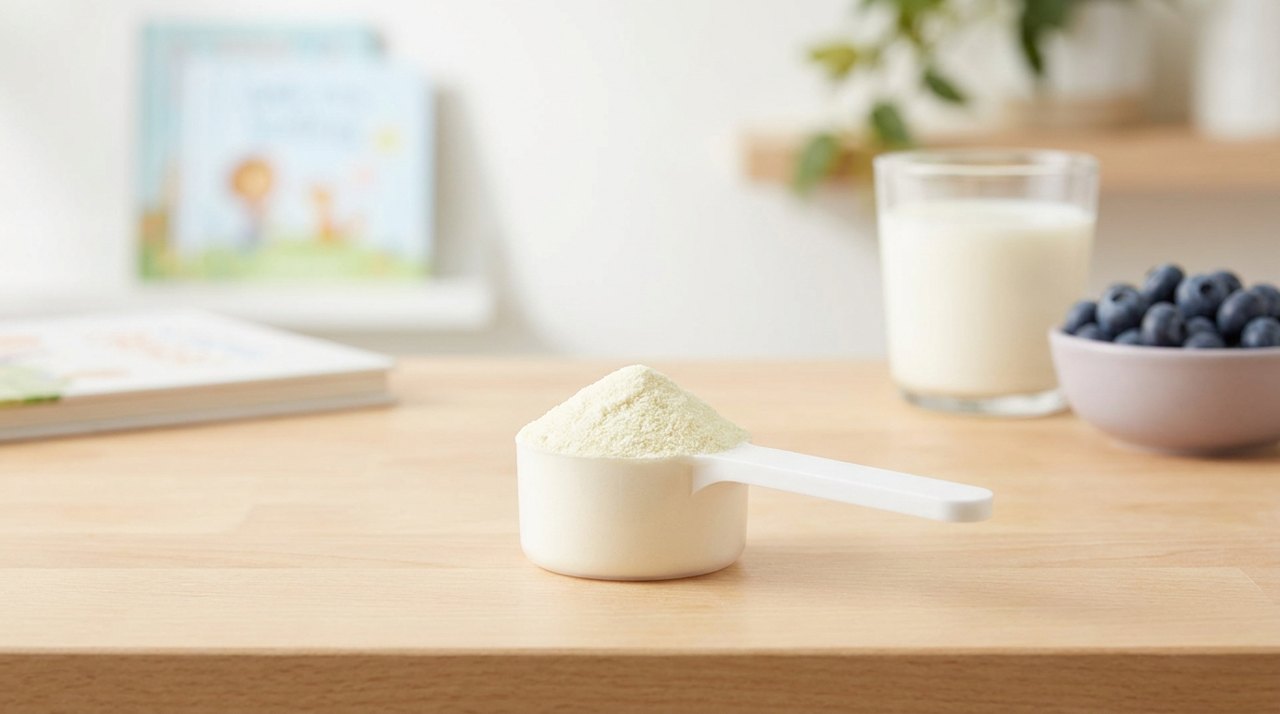
Colostrum supplements are marketed mostly to adults, but parents increasingly ask whether the "first milk" could help their kids too — especially for immune support during school season. The honest answer: bovine colostrum is generally considered a food-derived supplement, some small studies in children exist, but the evidence is early and there are real caveats every parent should understand before buying anything.
What Colostrum Is — and Why Parents Consider It
Bovine colostrum is the nutrient-dense milk cows produce in the first days after calving. It is naturally rich in immunoglobulins (mainly IgG), lactoferrin, and growth factors. Because kids in daycare and school pick up infections frequently, the appeal is obvious: a dairy-based powder that may support the immune system sounds gentler than another round of syrups.
It is important to frame expectations correctly. Colostrum is a dietary supplement, not a medicine. It does not treat, cure, or prevent any disease, and nothing here replaces a conversation with your pediatrician.
What the Research in Children Actually Shows
The studies that exist in kids are small, short, and use very different products and doses, so results should be read as "interesting" rather than "proven."
- Upper respiratory infections: a few small trials suggest children taking bovine colostrum had somewhat fewer episodes of upper respiratory infections and diarrhea over a few months compared with baseline. These studies often lacked strong placebo controls.
- Gut health: colostrum's immunoglobulins may bind pathogens in the digestive tract, which is one plausible mechanism behind the observed effects, though this is better documented in adults and athletes.
- Recurrent infections: some pediatric research focused on children with frequent infections, not healthy kids — results may not carry over to a child who is rarely sick.
In short: the direction of the early evidence is mildly encouraging, but no major pediatric association recommends routine colostrum supplementation for healthy children.
Shopping for colostrum? Our current best-value pick is BIOMIXA grass-fed colostrum powder on Amazon.
Safety First: The Non-Negotiables
Before any supplement enters a child's routine, run through this checklist with your pediatrician:
- Milk allergy is a hard stop. Colostrum is a dairy product. A child with cow's milk protein allergy should not take it. Lactose intolerance is a milder concern — colostrum contains less lactose than regular milk, but sensitive kids may still react.
- Age matters. Most products are formulated and dosed for adults. For infants and toddlers, do not experiment: their nutrition should be guided by a doctor, full stop.
- Underlying conditions and medications. If your child has an immune condition or takes regular medication, get explicit medical sign-off first.
- Start low, watch closely. If your pediatrician approves a trial, begin with a fraction of the label dose and watch for digestive upset, rash, or other reactions.
How to Choose a Kid-Appropriate Product
If you and your doctor decide to try it, quality matters more than marketing. The same rules from our colostrum buyer's guide apply, with a few kid-specific additions:
| What to check | Why it matters for kids |
|---|---|
| Stated IgG percentage | Transparency about the active component; vague "proprietary blends" are a red flag. |
| Third-party testing | Kids are smaller — contaminants like heavy metals matter proportionally more. |
| Low-heat processing | Immunoglobulins are proteins; harsh heat processing can denature them. |
| Unflavored powder | Easier to control the dose and avoid added sugars and sweeteners; mixes into yogurt or a smoothie. |
| Grass-fed sourcing | Generally associated with cleaner farming practices and better label transparency. |
Powder is usually the more practical format for children — capsules are harder to swallow and lock you into adult-sized doses. Our powder vs capsules comparison covers the trade-offs in detail.
Practical Tips If You Get the Green Light
- Mix the powder into cool or room-temperature food — yogurt, applesauce, a smoothie. Avoid hot liquids, which may degrade the proteins.
- Keep a simple log for the first two weeks: dose, day, and anything unusual. It makes the follow-up conversation with your pediatrician useful.
- Treat it as a seasonal experiment, not a permanent fixture. If you see no benefit after the period your doctor suggests, stop.
- Remember the boring fundamentals still do the heavy lifting: sleep, a varied diet, handwashing, and vaccinations are far better supported by evidence than any supplement.
The Bottom Line
Bovine colostrum is one of the more interesting food-derived supplements for immune and gut support, and the early pediatric research is cautiously encouraging — but it is thin, and children are not small adults. If your child is generally healthy, the case for adding colostrum is weak. If your child catches everything going around and you want to explore options, bring it up at your next pediatric visit and choose a rigorously tested, unflavored product. Curious how specific products stack up? Start with our buyer's guide.
BIOMIXA Bluegrass Colostrum
A grass-fed, unflavored colostrum powder that balances quality and price well — our pick for the best bang for your buck. Check the current price and reviews on Amazon.