Defatted vs Whole-Fat Colostrum: Does Processing Matter?
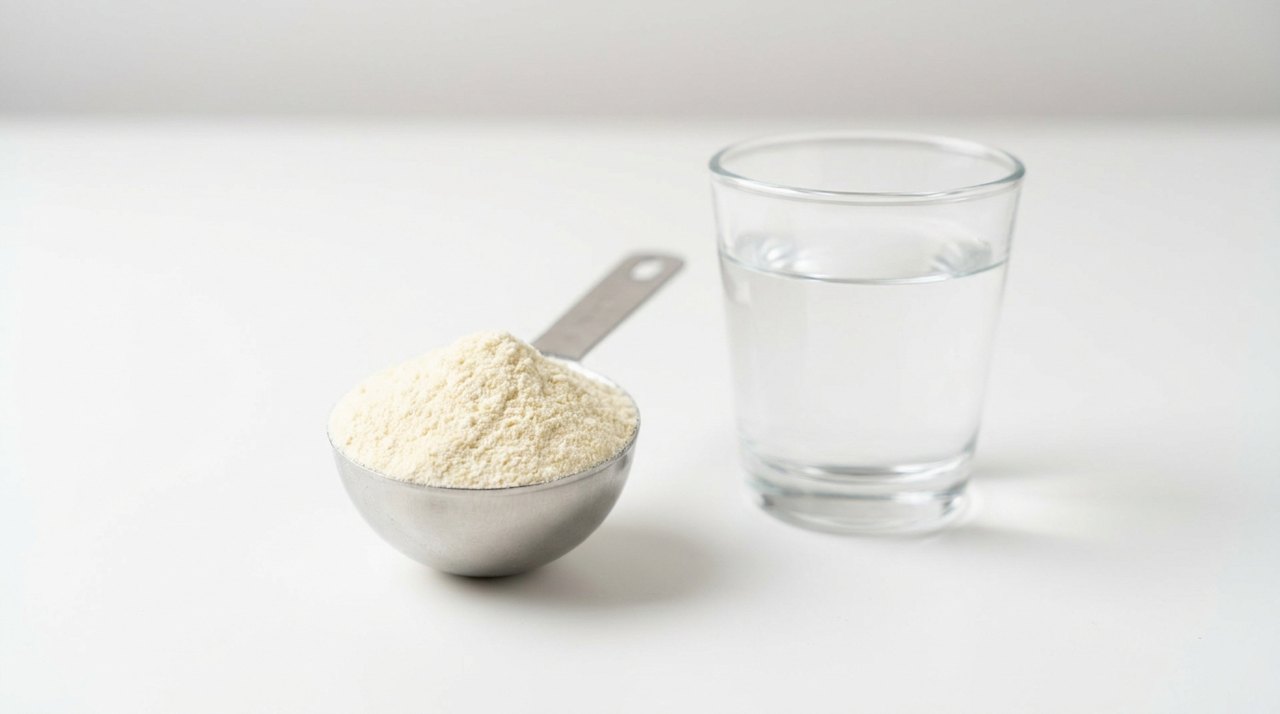
If you've compared colostrum supplements, you've probably seen "defatted" or "low-fat" on some labels and nothing at all on others. Processing that removes fat changes the powder's composition, shelf life, and how it dissolves — but whether it meaningfully changes the benefits you care about is less clear-cut. Here's what defatting actually does and how to weigh it as a buyer.
What "defatted" and "whole-fat" actually mean
Whole-fat (sometimes called "full-fat" or simply unprocessed) colostrum retains the natural milkfat present in the first milk. Defatted colostrum has had most of that fat removed, usually by centrifugal separation, before the liquid is spray- or freeze-dried into powder. A related term is "skimmed," which broadly refers to the same fat-reduction step.
The distinction matters because fat is a carrier for some nutrients and a source of calories, but the components most buyers are interested in — immunoglobulins (like IgG), lactoferrin, and growth factors — are largely water-soluble proteins that stay with the defatted fraction. In other words, removing fat does not automatically strip out the "active" parts.
Why manufacturers defat colostrum
- Stability and shelf life. Fats can go rancid over time. Lower fat content may help powders resist oxidation and off-flavors, especially when stored at room temperature.
- Solubility. Defatted powders often mix more cleanly into water or shakes, with less filmy residue.
- Standardization. Removing fat makes it easier to concentrate and report protein or IgG percentages consistently batch to batch.
- Lower calories and lactose-adjacent processing. Some defatted products are also processed to reduce lactose, which can matter for sensitive users.
Shopping for colostrum? Our current best-value pick is BIOMIXA grass-fed colostrum powder on Amazon.
Does processing change the benefits?
This is where honesty helps. The evidence on defatted versus whole-fat colostrum in humans is limited, and most head-to-head comparisons come from dairy science or animal nutrition rather than large clinical trials. A few reasonable takeaways:
- Because immunoglobulins and lactoferrin are water-soluble, defatting may preserve them well when done gently. Some studies suggest IgG content can remain high in defatted products.
- Whole-fat colostrum retains fat-associated compounds and a fuller nutrient profile, which some users prefer, though there's little clinical proof this translates to better outcomes.
- Heat during processing is arguably a bigger variable than fat removal. Aggressive high-heat drying can denature proteins regardless of fat content, so how a product is dried may matter more than whether it's defatted.
Put simply: for the bioactive proteins most people buy colostrum for, defatting appears unlikely to be a dealbreaker, but the data are not strong enough to declare one form clearly superior.
Defatted vs whole-fat at a glance
| Factor | Defatted | Whole-fat |
|---|---|---|
| Immunoglobulins / lactoferrin | Largely retained | Retained |
| Solubility in liquids | Usually better | Can leave residue |
| Shelf stability | Often more stable | More prone to fat oxidation |
| Calories / fat-soluble components | Lower | Higher, fuller profile |
| Taste | Milder | Richer, creamier |
How to decide as a buyer
- Look past the fat label first. Prioritize a stated IgG percentage, sourcing, and testing. A defatted product with verified 20–30% IgG may be a better buy than a whole-fat one with no disclosure at all.
- Check the drying method. Low-heat, spray-dried, or freeze-dried processing tends to protect proteins better than unspecified high-heat methods.
- Match it to your use. If you'll mix it into cold drinks daily, a defatted powder's solubility is a practical win. If you value a whole-food profile and don't mind texture, whole-fat is reasonable.
- Consider format. Fat content can influence how a powder is encapsulated versus loose; see our comparison of powder vs capsules to weigh convenience against dose flexibility.
The bottom line
Defatting is mostly a processing and formulation choice, not a proven make-or-break factor for the immune proteins and growth factors people seek in colostrum. Both forms can be high quality; both can be poorly made. Rather than chasing "defatted" or "whole-fat" as a headline claim, focus on transparent sourcing, a disclosed IgG level, gentle drying, and third-party testing. For a structured way to compare those signals across products, our buyers guide walks through what to check on a label, and you can browse related breakdowns on the articles page.
Colostrum is a dietary supplement, and individual responses vary. If you have a dairy allergy, are immunocompromised, or take medications, it's sensible to talk with a healthcare professional before starting any new supplement.
BIOMIXA Bluegrass Colostrum
A grass-fed, unflavored colostrum powder that balances quality and price well — our pick for the best bang for your buck. Check the current price and reviews on Amazon.