Best Colostrum Supplements: What to Look For
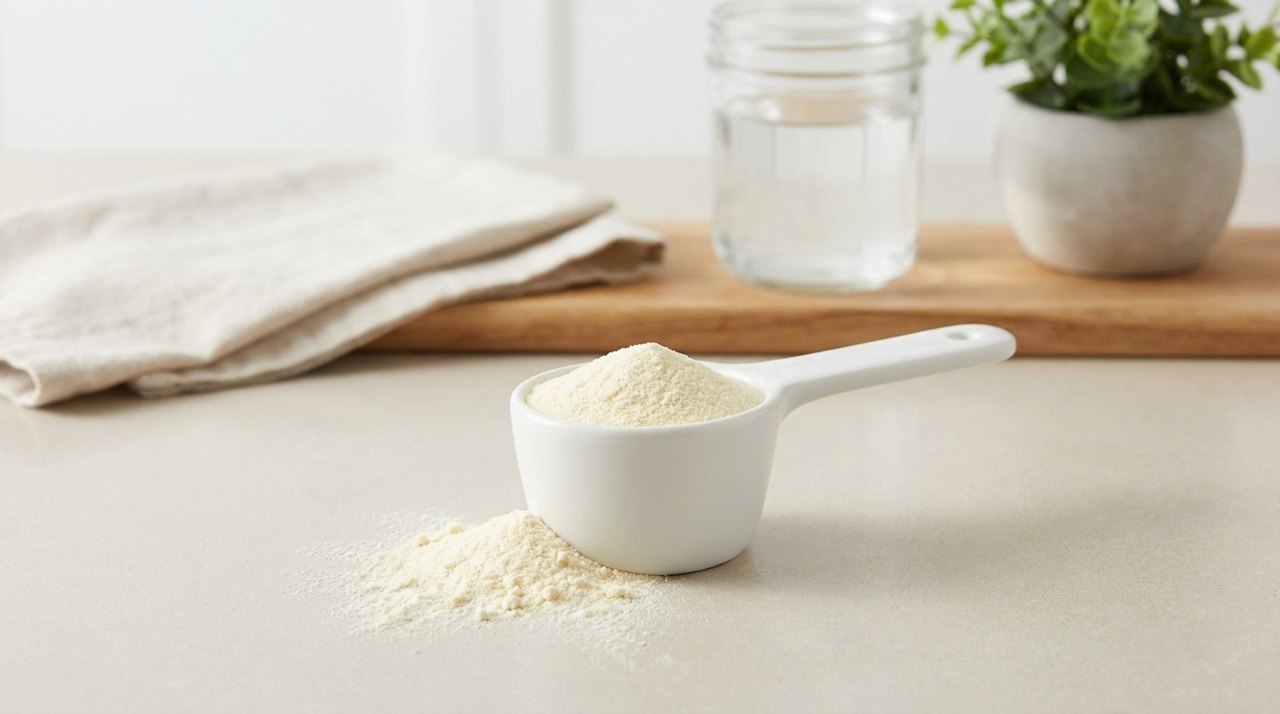
Colostrum supplements have surged in popularity, but the label on the front of the tub rarely tells you what matters. Quality varies widely between brands, and the marketing claims are often louder than the evidence. This guide walks through the practical things worth checking before you buy, so you can compare products on substance rather than packaging.
First, what colostrum actually is
Colostrum is the first milk produced by mammals in the days immediately after giving birth. Most supplements use bovine (cow) colostrum, which contains proteins, immunoglobulins, growth factors, and other bioactive compounds. Some research suggests it may support immune and gut function, but the evidence base is still limited and many studies are small or industry-funded. Treat strong promises with caution: colostrum is a dietary supplement, not a treatment for any disease.
What to look for on the label
A few specifics separate a well-made product from a vague one. When you scan a label, prioritise these:
- Source and sourcing details. Look for bovine colostrum from grass-fed, pasture-raised herds where stated, and ideally a country of origin. Transparency here is a good sign.
- "First-milking" colostrum. Colostrum collected within the first milkings after calving tends to be more concentrated than later transitional milk. Some brands specify this; many don't.
- Immunoglobulin (IgG) content. IgG is the most commonly measured marker. A standardised percentage (often 15–40% IgG) lets you compare products meaningfully. A product that lists no IgG figure at all gives you less to go on.
- Calf-first ethics. Reputable suppliers collect only surplus colostrum after the calf's needs are met. Some brands state this explicitly.
Watch the dose math
Compare the actual serving size, not just the price per tub. A capsule product might list an impressive ingredient but provide only a fraction of a gram per capsule, meaning you'd need many capsules to match a powder scoop. Always check grams per serving and servings per container together.
Processing and quality matter more than you'd think
Colostrum's bioactive proteins are heat-sensitive. How a product is processed affects what survives into the final powder.
- Low-heat or flash processing. Gentle drying methods are intended to preserve more of the fragile compounds. High-heat processing may degrade them.
- Third-party testing. Independent lab verification for potency and contaminants (heavy metals, pesticides, microbial load) adds credibility. Look for a certificate of analysis or testing claims you can verify.
- Minimal fillers. Some capsules and flavoured powders include binders, sweeteners, or anti-caking agents. None are necessarily harmful, but a short ingredient list is easier to trust.
Powder or capsules?
Both formats deliver the same ingredient; the choice is mostly about dose flexibility and convenience.
| Factor | Powder | Capsules |
|---|---|---|
| Dose control | Easy to scale up or down | Fixed per capsule |
| Cost per gram | Usually lower | Often higher |
| Convenience | Needs mixing | Grab and go |
| Taste | Noticeable, mild dairy flavour | None |
If you want a larger daily dose or plan to add it to smoothies, powder is usually more economical. For travel or a fixed routine, capsules are simpler. We compare the two in more detail in our powder vs capsules breakdown.
Red flags to avoid
- Disease-cure claims. No legitimate colostrum product can claim to treat, cure, or prevent illness.
- No source, no testing, no IgG figure. Missing all three suggests a commodity product with little quality oversight.
- Suspiciously cheap pricing. Genuine first-milking colostrum is not cheap to produce.
- Proprietary blends that hide how much colostrum you're actually getting.
Who should be cautious
Because colostrum is a dairy product, it's not suitable for people with milk allergies and may not suit those with significant lactose intolerance. If you're pregnant, breastfeeding, immunocompromised, or taking medication, check with a healthcare professional before starting. Side effects are generally mild when they occur, but individual responses vary.
Putting it together
The best colostrum supplement for you is one that's transparent about its source, specifies its IgG content, uses gentle processing, and is backed by third-party testing — at a dose and format that fit your routine and budget. Use the label as a checklist rather than trusting the front-of-pack marketing. For a structured walkthrough of comparing specific products, see our buyer's guide, and browse our other articles for more background on how colostrum is used.
BIOMIXA Bluegrass Colostrum
A grass-fed, unflavored colostrum powder that balances quality and price well — our pick for the best bang for your buck. Check the current price and reviews on Amazon.