ARMRA Colostrum Alternatives: 5 Things to Compare Before You Pay More
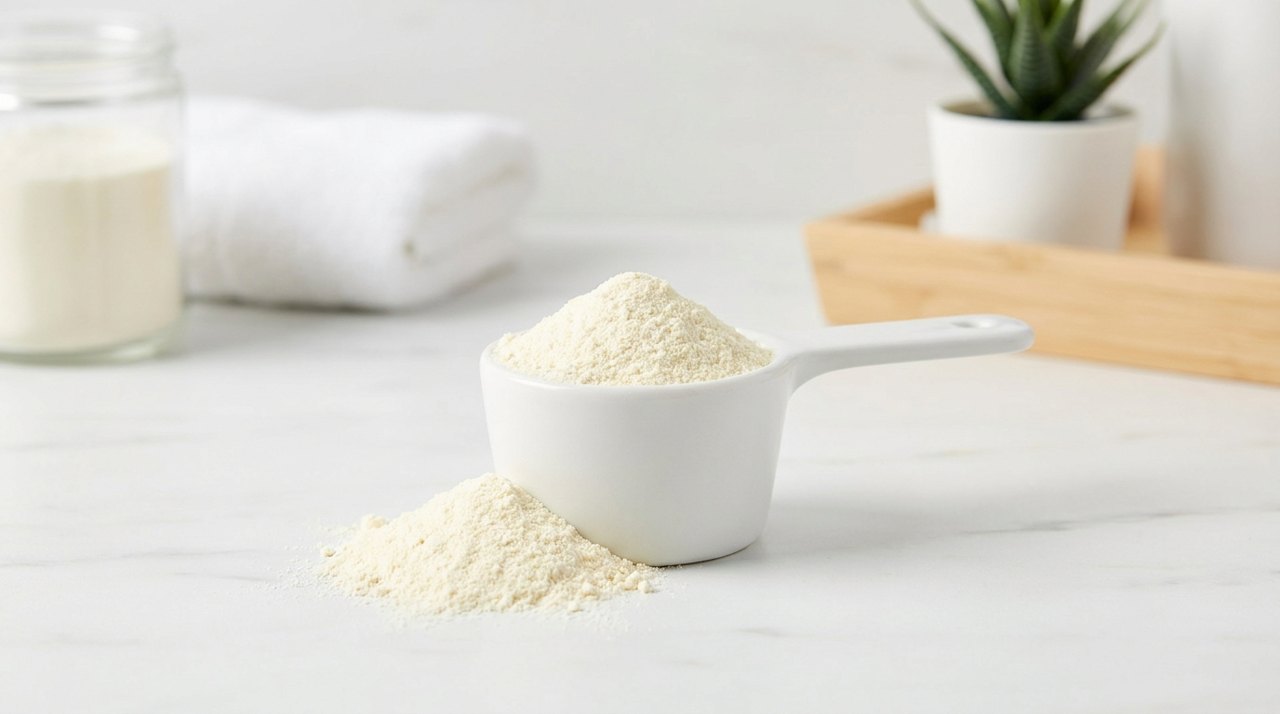
ARMRA has become one of the most visible names in colostrum supplements, thanks in part to heavy social media marketing. But visibility isn't the same as value. Before you commit to one of the pricier options on the shelf, it's worth knowing that many bovine colostrum products draw from a similar pool of dairy suppliers and processing methods — and that the differences that actually matter can be checked on the label. Here are five things to compare before you pay a premium.
1. IgG content per serving, not per container
Immunoglobulin G (IgG) is the marker most brands use to standardize their colostrum, and it's the most practical way to compare products head-to-head. Some research suggests colostrum's proposed benefits for immune and gut support may relate to its immunoglobulin and bioactive protein content, though the human evidence is still limited and mixed.
The catch: brands report IgG differently. Some list a percentage (e.g., "standardized to 25–40% IgG"), some list milligrams per serving, and some don't disclose it at all. ARMRA, notably, does not publish a standardized IgG percentage, while several competitors do. To compare fairly, do the math yourself:
- Find the grams of colostrum per serving.
- Multiply by the stated IgG percentage (if given) to get mg of IgG per serving.
- If no IgG figure is disclosed, treat that as a transparency gap — not automatically a bad product, but harder to evaluate.
A 1-gram serving of 30% IgG colostrum delivers roughly 300 mg of IgG. Many studies on colostrum have used considerably larger daily amounts, so a very small serving size — whatever the marketing says — is worth scrutinizing.
2. Serving size and true cost per gram
Sticker price is misleading because serving sizes vary widely, from under 1 gram to 10 grams or more per day. The honest comparison is cost per gram of actual colostrum.
| What to check | Why it matters |
|---|---|
| Grams of colostrum per serving | Small servings make a container last longer but may under-deliver on bioactives |
| Servings per container | A "30-day supply" at one serving may be a 15-day supply at the amount used in studies |
| Price ÷ total grams | The only apples-to-apples number across brands |
| Fillers and flavor systems | Flavored versions often contain less colostrum per scoop |
When you run this calculation, some premium-priced brands come out costing several times more per gram than plainer bulk powders with comparable or better-disclosed specs. Our colostrum buyer's guide walks through this math in more detail.
Shopping for colostrum? Our current best-value pick is BIOMIXA grass-fed colostrum powder on Amazon.
3. Processing method and sourcing claims
How colostrum is handled after collection likely matters more than most marketing copy. Points worth comparing:
Heat exposure
Immunoglobulins are heat-sensitive proteins. Look for low-heat pasteurization, flash pasteurization, or low-temperature spray drying. Most reputable brands, including ARMRA and its main competitors, make some version of this claim, so it's rarely a true differentiator — but its absence is a red flag.
Collection timing
Colostrum collected within the first hours after calving is richer in bioactive compounds than later "transitional milk." Brands that specify a collection window (e.g., "first milking" or "within 24 hours") are giving you more to go on.
Calf-first and grass-fed claims
"Calf-first" sourcing (calves get their share before any is collected) and grass-fed, hormone-free herds are common claims across the category. They're reasonable things to want, but they're marketing standards now, not premium features — so don't pay a large premium for them alone.
4. Third-party testing and transparency
Because colostrum is a dairy-derived animal product, contaminant and quality testing matters. Compare brands on:
- Independent lab verification of IgG content, not just an in-house claim.
- Contaminant testing for heavy metals, antibiotics, and hormones — ideally with certificates of analysis (COAs) available on request or published.
- Manufacturing standards such as cGMP-certified facilities.
A brand that publishes COAs and discloses its IgG standardization is easier to trust than one that leans on proprietary terminology. Trademarked processing names sound impressive, but they aren't independently defined standards — you can't compare a proprietary claim against anything.
5. Format and how you'll actually take it
ARMRA sells single-serve stick packs and tubs of unflavored or flavored powder. Alternatives come as bulk powder or capsules, and the right format depends on your habits more than on quality. Bulk powder is usually cheapest per gram and mixes into smoothies easily; capsules cost more per gram but travel well and skip the dairy taste; stick packs are the most expensive way to buy powder. We compare the trade-offs in powder vs. capsules.
The bottom line
None of this is about whether ARMRA is a bad product — it isn't. It's about whether the premium you're paying buys measurably more of what colostrum is valued for. Compare disclosed IgG per serving, cost per gram, processing claims, and third-party testing, and you may find a less-marketed alternative that matches or beats it on the numbers. And keep expectations grounded: colostrum is a dietary supplement with promising but preliminary human research behind it, not a treatment for any condition. If you're new to it, start with a modest amount, and talk to your doctor first if you're pregnant, nursing, or have a dairy allergy.
BIOMIXA Bluegrass Colostrum
A grass-fed, unflavored colostrum powder that balances quality and price well — our pick for the best bang for your buck. Check the current price and reviews on Amazon.